Newsletter Subscribe
Enter your email address below and subscribe to our newsletter

All voices matter
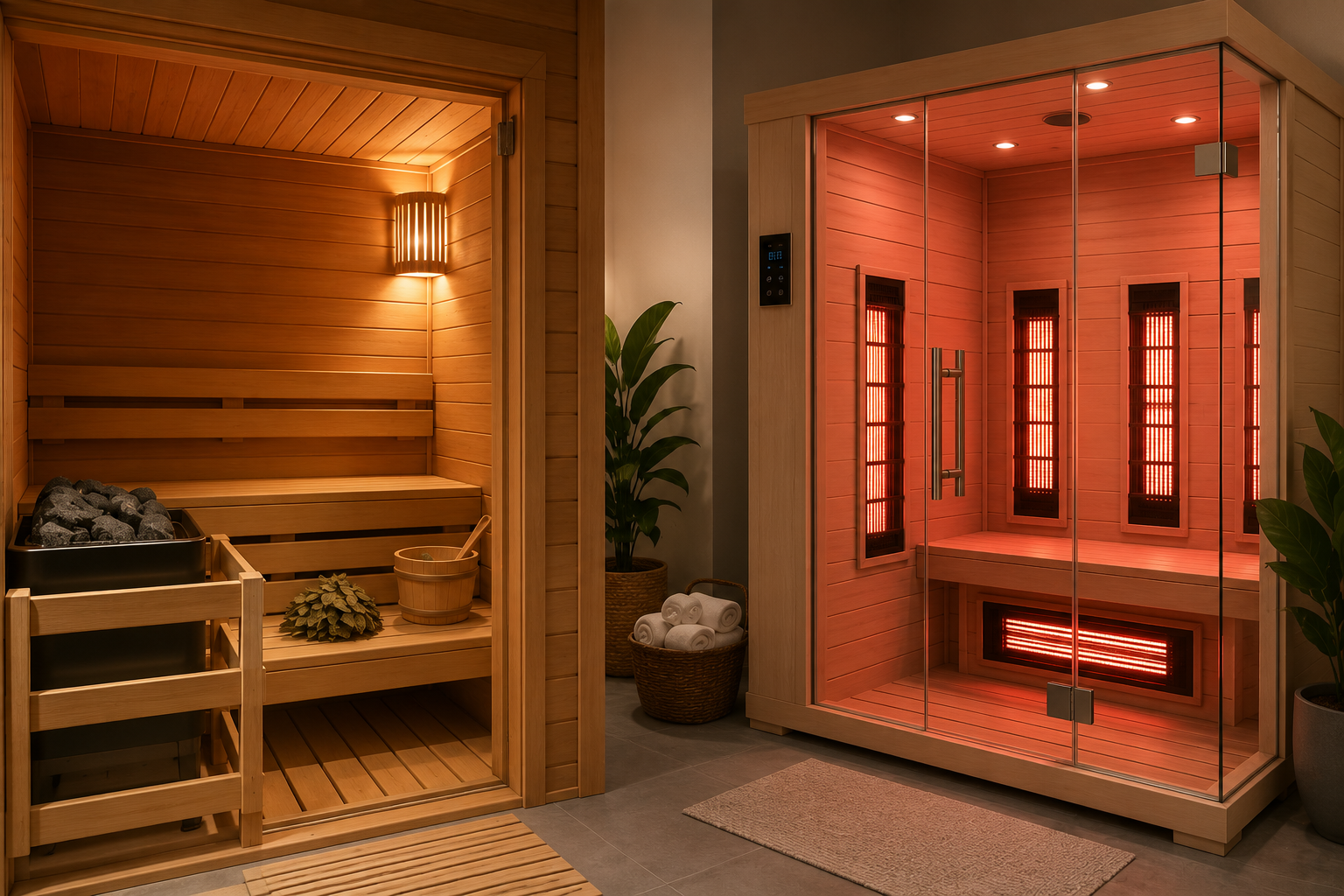
When shopping for a home sauna, two of the most common options are traditional saunas and infrared saunas.
Although both are designed to provide a heated environment, they work in very different ways. Traditional saunas heat the air inside the room, while infrared saunas use infrared heaters to warm the body more directly.
Understanding these differences can make it easier to decide which type of sauna fits your home, lifestyle, and personal preferences.
A traditional sauna, sometimes called a Finnish-style sauna, uses a heater to warm the air inside the sauna room.
The heater also warms sauna stones. In models designed for water use, small amounts of water can be added to the stones to create steam and temporarily increase humidity.
Traditional saunas typically feature:
The combination of high heat, wood construction, airflow, and occasional steam creates the classic sauna experience.
An infrared sauna uses infrared heating panels rather than a traditional sauna stove.
Instead of primarily heating the air first, infrared heaters emit infrared energy that warms the body.
Because of this heating method, infrared saunas generally operate at lower air temperatures than traditional saunas.
They are often designed as compact home units and may be easier to place in bedrooms, home gyms, or other indoor spaces.
The biggest difference is the way heat is produced.
| Feature | Traditional Sauna | Infrared Sauna |
|---|---|---|
| Heating method | Heated air and sauna stones | Infrared heating panels |
| Air temperature | Generally higher | Generally lower |
| Humidity | Can increase with water on stones | Usually dry |
| Sauna stones | Common | Not typically used |
| Steam | Possible | Not a typical feature |
| Atmosphere | Classic sauna environment | More controlled indoor experience |
| Installation | Can require more planning | Often compact and convenient |
Neither option is automatically better for everyone.
The best choice depends on the experience you prefer.
Traditional sauna heat surrounds the entire room.
The heater warms the air, benches, walls, and sauna stones. As the air circulates, the entire space becomes hot.
This creates the characteristic sauna environment many people associate with traditional Finnish-style saunas.
Adding water to the heated stones can temporarily increase humidity and create a noticeable burst of steam.
For people who enjoy the classic combination of intense heat and occasional steam, a traditional sauna can be particularly appealing.
Infrared saunas operate differently.
Infrared heating panels emit infrared energy while the surrounding air generally remains cooler than in a traditional sauna.
Many users describe the experience as a more gentle or direct form of warmth.
Because the air temperature is lower, infrared saunas may feel different from the intense environmental heat of a traditional sauna.
This difference is one of the main reasons people choose infrared models.
Temperature is one of the most noticeable differences.
Traditional saunas commonly operate at significantly higher air temperatures.
Infrared saunas typically operate at lower temperatures because they do not rely on heating the entire room to the same level.
This means comparing temperature numbers alone can be misleading.
A traditional sauna may have very hot air, while an infrared sauna can provide a warm experience at a lower room temperature.
The heating technology is fundamentally different.
If you enjoy steam, a traditional sauna is usually the better choice.
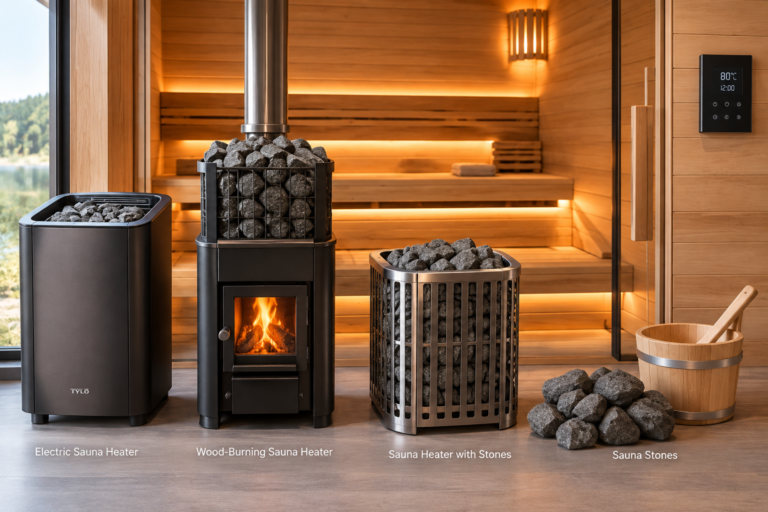
Traditional sauna heaters can be designed with stones that allow users to add water according to the manufacturer’s instructions.
This creates a temporary increase in humidity and produces the classic steam effect.
Infrared saunas generally do not use sauna stones or water in this way.
Their environment is typically dry.
Therefore, your preference for dry heat versus occasional steam can be an important factor when choosing between the two.
Traditional and infrared saunas also have different design characteristics.
Traditional saunas are often built with:
They can create the appearance of a dedicated wellness room.
Infrared saunas are often more compact.
Many models feature:
Their compact design can make them easier to integrate into certain indoor spaces.
Space can be an important consideration for homeowners.
Traditional saunas often require a dedicated room or structure, especially when using a larger heater and multiple benches.
Infrared saunas are commonly available in compact sizes, making them attractive for people with limited space.
Before purchasing either type, measure the installation area carefully.
Also consider:
The manufacturer’s installation requirements should always be checked before installation.
Traditional sauna installation can involve more planning because of the heater, ventilation, sauna stones, and room design.
Depending on the model, you may need to consider electrical requirements and specific heater clearances.
Infrared saunas are often simpler to install because they use heating panels rather than a traditional sauna stove.
However, installation requirements still vary between models.
An infrared sauna may need an appropriate electrical connection, a level installation surface, and enough clearance around the unit.
There is no single answer.
A traditional sauna may be a better match if you want:
An infrared sauna may be more suitable if you prefer:
The right choice depends on what you want from the sauna rather than simply choosing the most popular option.
Both can be suitable for beginners.
The main difference is the type of heat.
Traditional sauna heat can feel more intense because the surrounding air reaches higher temperatures.
Infrared sauna temperatures are generally lower, which some new users may find easier to tolerate.
However, individual comfort varies.
Regardless of sauna type, new users should start gradually and avoid staying in the heat longer than feels comfortable.
The total cost of a sauna depends on its size, materials, heater, features, installation, and brand.
Traditional sauna costs can include:
Infrared sauna costs may include:
A compact infrared sauna may have a lower installation complexity, while a larger traditional sauna can involve more components.
Rather than comparing the purchase price alone, consider the complete installation and long-term maintenance requirements.
Traditional saunas are commonly available as outdoor structures.
Their larger rooms and dedicated heaters make them suitable for backyards, gardens, and other outdoor spaces.
Infrared saunas are more commonly used indoors, although outdoor-capable infrared models are available.
If you want a backyard sauna surrounded by nature, a traditional sauna may offer more design choices.
For an indoor home gym or compact wellness area, an infrared model may be easier to integrate.
A simple way to compare the two is to focus on your priorities.
There is no universal winner.
The better sauna is the one that matches your available space and preferred experience.
Traditional saunas generally operate at higher air temperatures than infrared saunas. However, the two systems produce heat differently, so temperature numbers should not be compared directly.
Neither is automatically better. Traditional saunas provide a classic hot-air and optional steam experience, while infrared saunas use infrared heating panels at lower air temperatures.
Most infrared saunas do not use traditional sauna stones because they use infrared heating panels instead of a conventional sauna heater.
Infrared saunas are generally designed to operate as dry environments. Always follow the manufacturer’s instructions and never add water to components that are not designed for it.
Traditional saunas are commonly designed for outdoor installation and can work well in backyards, gardens, and other outdoor settings when properly constructed.
Traditional and infrared saunas offer two very different approaches to the sauna experience.
Traditional saunas heat the surrounding air and sauna stones, creating the high-temperature environment associated with classic sauna rooms. They can also provide steam when water is added to suitable sauna stones.
Infrared saunas use infrared heating panels and generally operate at lower air temperatures. Their compact designs can make them convenient for certain indoor spaces.
When choosing between them, consider the type of heat you enjoy, the available space, installation requirements, and whether you want features such as sauna stones and steam.
Instead of asking which sauna is universally better, focus on which type fits your home and your preferred sauna experience.