Newsletter Subscribe
Enter your email address below and subscribe to our newsletter

All voices matter
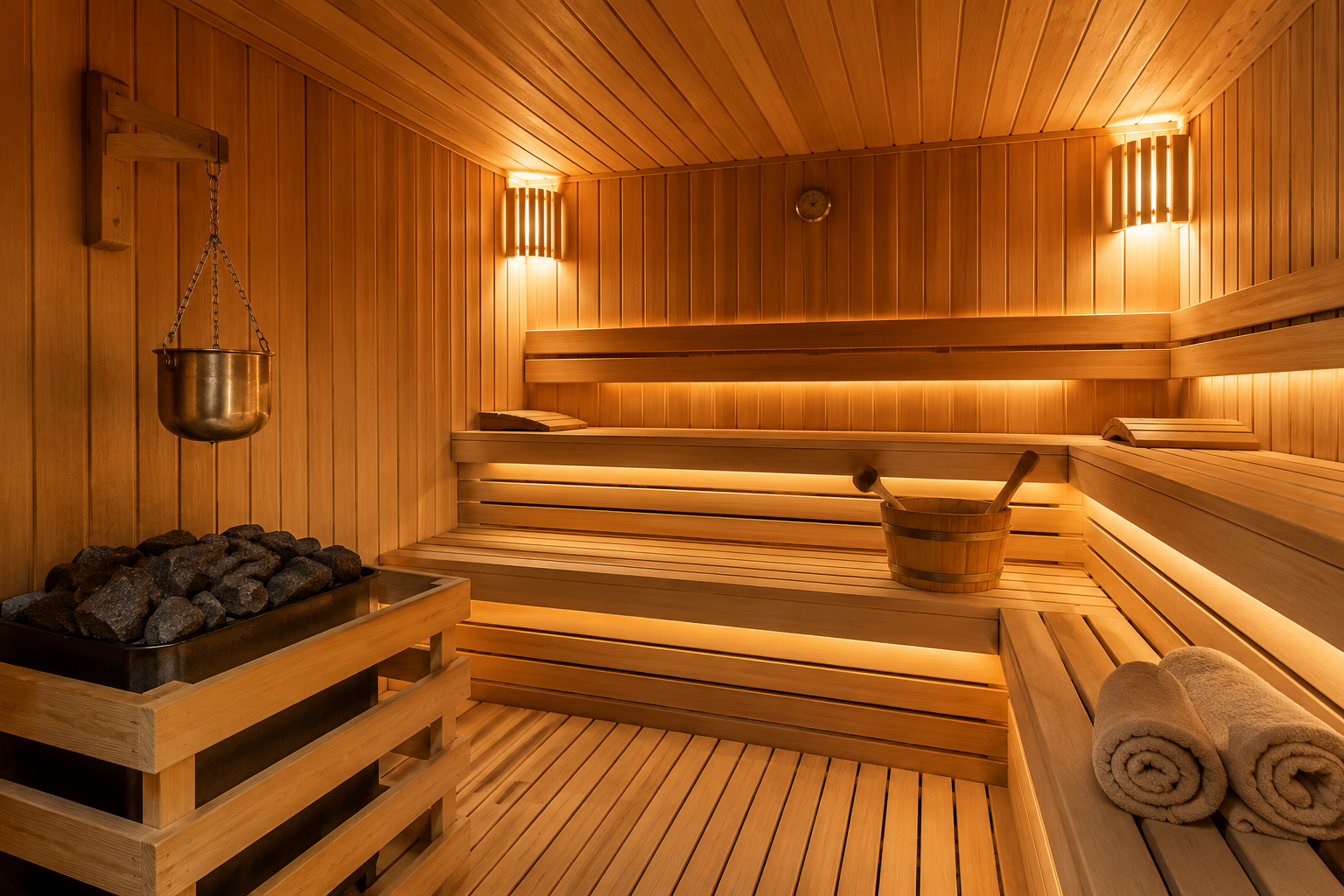
Choosing the right wood is an important part of designing a home sauna. The wood affects the appearance, feel, durability, and overall atmosphere of the sauna.
Not every type of wood is equally suitable for a high-temperature environment. Some woods are commonly used for sauna walls and benches because they have low resin content, good dimensional stability, and a comfortable surface.
This guide looks at several popular sauna woods and explains what to consider when choosing the right option for your home sauna.
A sauna creates a unique indoor environment with high temperatures and repeated changes in heat and moisture.
The wood used inside the sauna needs to perform well under these conditions.
Good sauna wood should generally be:
The right choice can also influence the overall style of the sauna.
Several wood species are frequently associated with sauna construction.
The most common options include:
Each has different characteristics, so there is no single wood that is perfect for every sauna.
Cedar is one of the most recognizable choices for sauna interiors.
It has a distinctive natural appearance and a characteristic wood aroma. Cedar is also valued for its durability and resistance to moisture.
Many homeowners choose cedar because it creates a warm, traditional atmosphere.
Cedar can be more expensive than some other wood options.
Its strong natural scent may also not appeal to everyone.
Hemlock is another popular choice for sauna interiors.
It typically has a relatively uniform appearance and a more subtle natural color.
For homeowners who prefer a clean and understated sauna design, hemlock can be an attractive option.
Hemlock can create a less visually dramatic interior compared with woods that have stronger grain patterns.
Aspen is commonly used for sauna benches and interior components.
One reason is that it tends to have a smooth, light appearance.
It can also be comfortable to touch when properly finished and maintained.
Aspen can work particularly well in contemporary sauna interiors.
Spruce is a traditional building material in many sauna designs.
It offers a lighter appearance and can be a practical option when you want a more natural wood interior.
Spruce is often selected for its availability and traditional appearance.
However, the specific grade and quality of the wood are important when choosing materials for a sauna.
Pine is another familiar wood species used in some sauna designs.
It has a distinctive grain and warmer appearance.
However, resin content can be an important consideration when selecting pine for areas exposed to high temperatures.
For sauna construction, use wood specifically selected and recommended for the intended application.
Benches deserve special attention because they come into direct contact with the user.
A good bench material should remain comfortable when the sauna is hot.
Aspen and other suitable low-resin woods are often considered for benches.
The surface should be smooth and free from sharp edges or splinters.
Bench construction is just as important as the wood species itself.
Rounded edges, proper spacing, and good ventilation can all contribute to a more comfortable sauna.
Appearance is a personal choice.
For a darker and warmer atmosphere, cedar can be appealing.
For a lighter and more minimalist design, aspen or hemlock may be a better fit.
Spruce can provide a traditional Nordic appearance, while pine offers a more pronounced natural grain.
Consider how the wood will look alongside:
A well-matched combination can create a more cohesive design.
The color of the wood can significantly change the feeling of the sauna.
Light-colored interiors can make a sauna appear:
Darker or warmer wood tones can create:
Neither approach is inherently better.
Choose according to the atmosphere you want to create.
This depends on where the wood is being used.
The interior of a sauna should not automatically be treated with ordinary household paint, varnish, or wood coatings.
Some products may not be suitable for high-temperature environments.
Always use materials specifically recommended for sauna applications and follow the manufacturer’s instructions.
Wood aroma is another factor to consider.
Cedar is known for its noticeable natural scent, while other woods such as hemlock may have a much more subtle aroma.
If you prefer a strong natural wood character, cedar may appeal to you.
If you want a more neutral environment, a less aromatic wood may be preferable.
Outdoor saunas have additional considerations because the exterior is exposed to weather.
The interior wood and exterior cladding do not necessarily need to be the same material.
For outdoor installations, pay attention to:
The exterior should be selected according to the local climate and the sauna manufacturer’s recommendations.
Yes, combining different wood species can create an interesting design.
For example, you might use one wood for the walls and another for benches.
This can create visual contrast while allowing you to choose a particularly comfortable material for seating.
However, make sure all materials are suitable for sauna environments before combining them.
Do not choose wood based only on species.
Also consider:
Higher-quality boards generally provide a cleaner appearance and fewer unwanted defects.
Wood should be appropriate for the intended sauna application.
Boards should be smooth and properly finished.
Choose dimensions appropriate for walls, ceilings, benches, or other applications.
The safest approach is to use materials specifically recommended for sauna construction.
The cheapest wood is not necessarily the best choice for a sauna.
A beautiful wall material may not be the best option for seating.
Not every wood product is designed for sauna temperatures.
Some household finishes may not be appropriate for sauna interiors.
Wood should complement the heater, lighting, benches, and surrounding space.
There is no universal best choice. Cedar, hemlock, aspen, spruce, and other suitable woods can all work depending on the application, design, budget, and personal preference.
Cedar is a popular sauna wood because of its appearance, durability, and distinctive aroma.
A suitable low-resin wood with a smooth, comfortable surface is generally preferred for benches. Aspen is one commonly used option.
Some sauna designs use pine, but the specific wood grade and resin content should be considered. Use materials recommended for sauna applications.
Ordinary paint should not automatically be used inside a sauna. Follow the sauna manufacturer’s recommendations for any interior treatment.
The wood you choose can have a major influence on the appearance and feel of a home sauna.
Cedar offers a warm appearance and distinctive aroma, while hemlock and aspen can create a lighter, cleaner look. Spruce and pine can provide a more traditional wood appearance when the appropriate materials are selected.
Instead of focusing on one “best” wood, consider where the wood will be used, how it feels when heated, how it looks in the space, and whether it is specifically suitable for sauna construction.
Choosing the right materials from the beginning can help create a sauna that is comfortable, attractive, and well suited to your home.