Newsletter Subscribe
Enter your email address below and subscribe to our newsletter

All voices matter
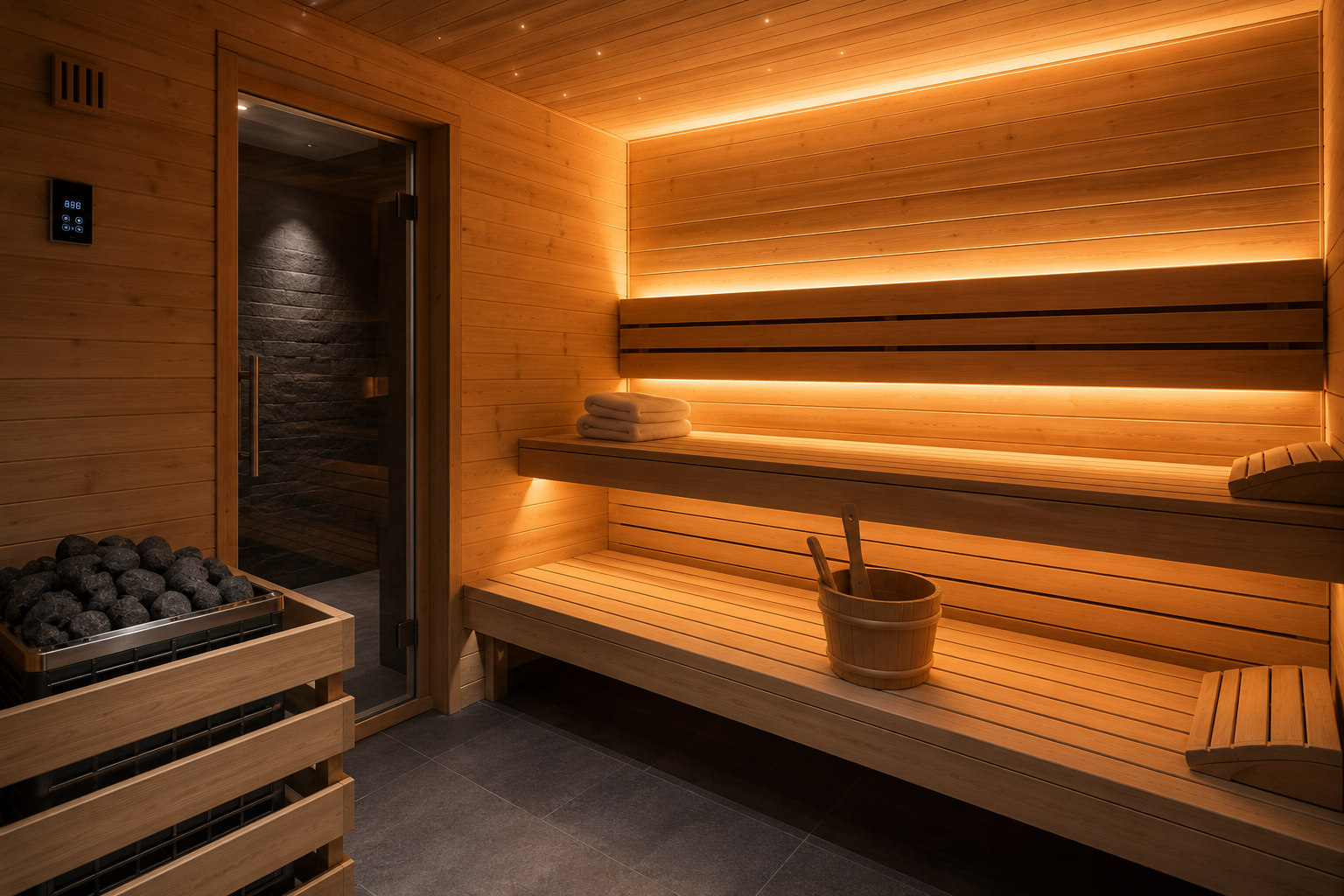
The sauna heater is one of the most important components of a traditional sauna.
It determines how the sauna is heated, how quickly the room reaches the desired temperature, how the sauna operates, and what type of installation is required.
Choosing a sauna heater is therefore not simply about finding the most powerful model. The heater should match the size of the sauna, the available power source, the room design, and the type of sauna experience you want.
If you are planning a new home sauna or replacing an existing heater, understanding the main options can make the decision much easier.
A traditional sauna depends on its heater to create the high-temperature environment.
The heater warms the air and, in many traditional sauna designs, also heats sauna stones.
The right heater can provide:
An incorrectly sized or improperly installed heater can create unnecessary problems.
For this reason, heater selection should be considered early in the sauna planning process.
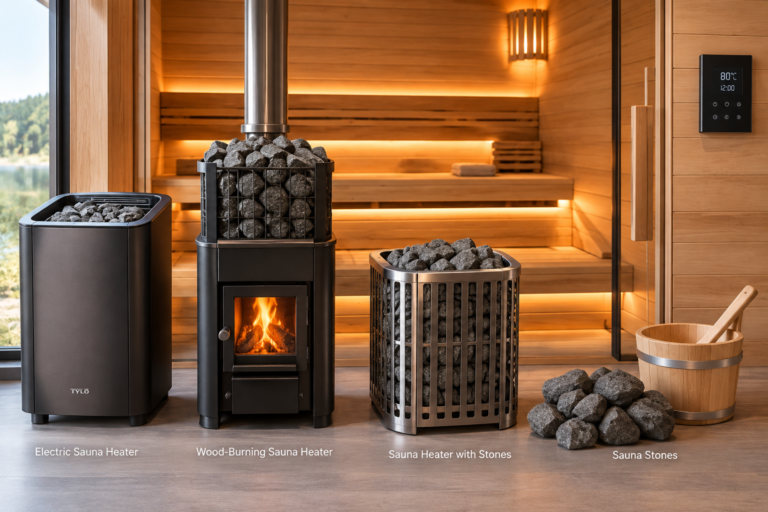
Two common types of traditional sauna heaters are electric and wood-burning models.
Both can provide a classic sauna experience, but they operate differently.
Electric sauna heaters use electricity to heat the sauna stones and surrounding air.
They are widely used in residential saunas because they are convenient to operate.
Common features include:
Electric heaters can be particularly convenient for indoor home saunas where access to a suitable electrical supply is available.
Wood-burning sauna heaters use firewood as their heat source.
They are strongly associated with traditional sauna cabins and outdoor sauna buildings.
A wood-burning heater can create a distinctive atmosphere and may be attractive to people who enjoy a more traditional sauna experience.
However, these heaters require additional considerations such as:
For an indoor installation, professional planning is especially important.
One of the most important factors is matching the heater to the sauna room.
A heater that is too small may struggle to heat the room properly.
A heater that is unnecessarily large may not be the most appropriate choice either.
Manufacturers generally specify a recommended sauna room volume for each heater.
When selecting a heater, measure the sauna’s:
Then calculate the approximate room volume.
The manufacturer’s sizing chart should be used to determine the appropriate heater capacity.
Two saunas can have the same floor area but require different heater capacities.
Ceiling height, insulation, windows, glass doors, and wall materials can all affect the heating requirements.
For example, a sauna with a large glass surface may have different heating requirements from a fully enclosed wood-lined sauna of the same size.
Always use the manufacturer’s specifications rather than relying only on general rules.
Insulation plays an important role in heating performance.
A well-insulated sauna can retain heat more effectively.
An inadequately insulated room may take longer to reach the desired temperature and may require more energy.
When planning a sauna, consider:
The heater and sauna structure should be considered as a complete system.
Many traditional sauna heaters use stones.
The stones absorb heat and contribute to the characteristic sauna environment.
Some heaters also allow water to be added to the heated stones to create a temporary increase in humidity.
However, not every heater is designed for this purpose.
Before adding water, always check the manufacturer’s instructions.
The type, quantity, and arrangement of sauna stones can also vary between heater models.
Sauna stones can help distribute heat and provide the steam effect associated with traditional sauna bathing.
They are not simply decorative.
The stones need to be appropriate for the heater and installed according to the manufacturer’s recommendations.
Never use ordinary rocks collected from outdoors unless they are specifically suitable for sauna heater use.
Electric sauna heaters are available in different configurations.
Wall-mounted heaters are attached to the sauna wall.
They can save floor space and may be useful in compact sauna rooms.
This design can also make cleaning the floor easier.
Floor-standing models sit directly on the floor.
They can offer greater flexibility in some larger sauna designs and may accommodate larger quantities of stones.
The best configuration depends on the room layout and the manufacturer’s installation requirements.
Sauna heaters can have different control systems.
Some basic models use simple controls, while more advanced systems may include digital displays and programmable settings.
Useful features can include:
However, additional features are not always necessary.
For a simple home sauna, reliable temperature control may be more important than having a large number of digital functions.
If you choose an electric sauna heater, electrical requirements should be considered before installation.
Different heaters can require different electrical connections and power levels.
Do not assume that an existing household outlet will be sufficient.
The heater’s electrical specifications should be checked before purchase, and electrical installation should be completed by a qualified professional where required.
This is especially important for higher-powered sauna heaters.
Every sauna heater has specific clearance requirements.
There needs to be enough space between the heater and surrounding:
These clearances are designed to reduce fire and heat-related risks.
Never install a heater based only on how it looks in a product photograph.
Use the installation manual for the exact model.
The heater should be considered together with the rest of the sauna design.
Its location affects:
A heater that works well in a large rectangular sauna may not be the best choice for a compact corner sauna.
Planning the heater location before installing benches can help prevent layout problems later.
For many indoor residential saunas, electric heaters are a practical option because they can be convenient to operate and do not require wood storage.
However, the exact model still needs to match the room size and electrical installation.
Indoor sauna owners should pay particular attention to:
Always follow local regulations and manufacturer instructions.
Outdoor saunas offer more flexibility.
An electric heater can work well when suitable electrical service is available.
A wood-burning heater can be appealing for a standalone outdoor sauna, particularly for people who prefer the atmosphere of a traditional wood-fired sauna.
However, wood-burning installations require careful consideration of the chimney, fire safety, ventilation, and local regulations.
A heater should be selected according to the manufacturer’s recommended sauna volume.
Large glass doors or windows can affect heating requirements.
Check the electrical specifications before purchasing an electric heater.
The heater needs adequate space around it.
A cheaper heater is not necessarily the best long-term choice.
Consider reliability, controls, installation requirements, replacement parts, and warranty information.
Sauna heaters generate significant heat.
Installation should follow the manufacturer’s instructions precisely.
The best features depend on how you plan to use the sauna.
For a simple home sauna, consider:
If you want a more advanced setup, you might also consider programmable controls or remote operation.
The most important thing is to prioritize compatibility and safety over unnecessary features.
The required heater capacity depends on the sauna’s volume, insulation, glass surfaces, and other construction details. Use the manufacturer’s recommended room-volume range when choosing a heater.
Neither is universally better. Electric heaters are convenient for many home installations, while wood-burning heaters can provide a more traditional experience, particularly in outdoor saunas.
No. Use stones specifically recommended for sauna heaters. Ordinary rocks may crack or behave unpredictably when exposed to repeated heating and cooling.
No. Only add water if the heater is specifically designed for it and the manufacturer permits it.
Installation requirements vary. Electrical and wood-burning heater installations may require qualified professionals and must comply with applicable local requirements. Always follow the manufacturer’s installation instructions.
Choosing the right sauna heater is one of the most important decisions when building a traditional home sauna.
Start by determining the sauna’s volume and construction characteristics. Then consider whether an electric or wood-burning heater better fits your installation and lifestyle.
From there, look at heater placement, stone capacity, controls, electrical requirements, ventilation, and safety clearances.
The right heater is not necessarily the biggest or most feature-rich model. It is the one that is properly matched to your sauna and installed according to the manufacturer’s requirements.
Taking time to choose the heater correctly can make the entire sauna experience more comfortable, convenient, and reliable.