Newsletter Subscribe
Enter your email address below and subscribe to our newsletter

All voices matter
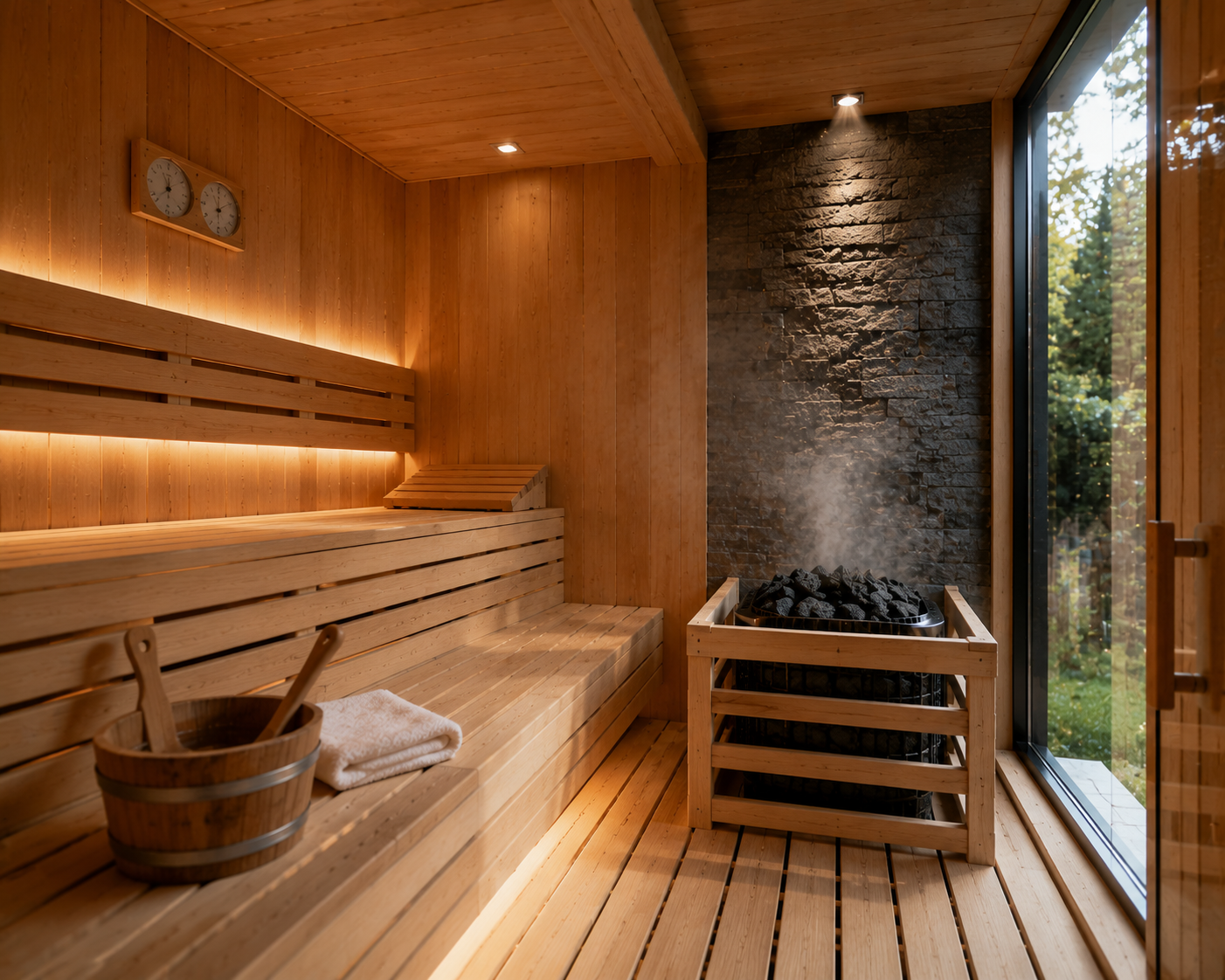
A traditional sauna has been used for centuries as a way to enjoy heat, relaxation, and a unique wellness experience. While many people understand that a sauna becomes hot, fewer people know exactly how the system works.
A traditional sauna is more than just a heated wooden room. It is a carefully designed environment that combines a heater, sauna stones, wood construction, ventilation, and controlled airflow to create a comfortable heat experience.
Understanding how a traditional sauna works can help you choose the right sauna for your home and use it more effectively.
A traditional sauna is a type of sauna that uses a heater to warm the air inside the room.
Unlike infrared saunas, which use infrared panels to directly warm the body, traditional saunas heat the surrounding air. The warm air then transfers heat to the body.
Traditional saunas are commonly built with natural wood interiors and include:
The combination of these elements creates the classic sauna experience.
The heater is the main component of a traditional sauna.
When the heater is turned on, it gradually increases the temperature inside the sauna room. The heat warms the sauna stones placed on top of or around the heater.
These heated stones serve several purposes:
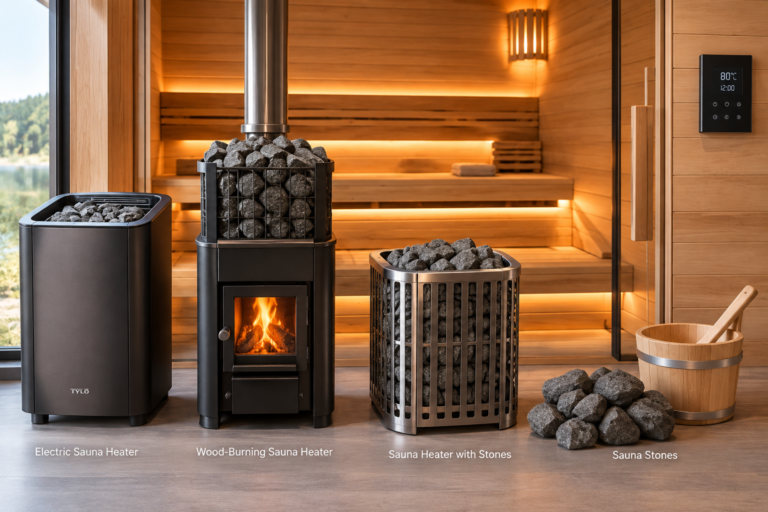
Traditional sauna heaters are available in several types:
Electric heaters are the most common choice for home saunas.
They are convenient because they:
Many modern electric heaters include digital controls that allow users to adjust temperature and timing.
Wood-burning heaters are often used in outdoor saunas.
They provide a traditional experience and create a natural atmosphere through:
However, they require more maintenance and proper ventilation.
Sauna stones are an essential part of a traditional sauna system.
The stones are heated by the sauna heater and help create a more comfortable heat environment.
When water is poured onto the stones, the stones instantly convert the water into steam.
This creates a temporary increase in humidity and produces the traditional sauna steam experience.
Good sauna stones should be:
The quality and arrangement of sauna stones can affect how evenly heat spreads throughout the sauna.
A traditional sauna works through natural heat circulation.
The heater warms the air near the bottom of the sauna. As the air becomes warmer, it rises and circulates around the room.
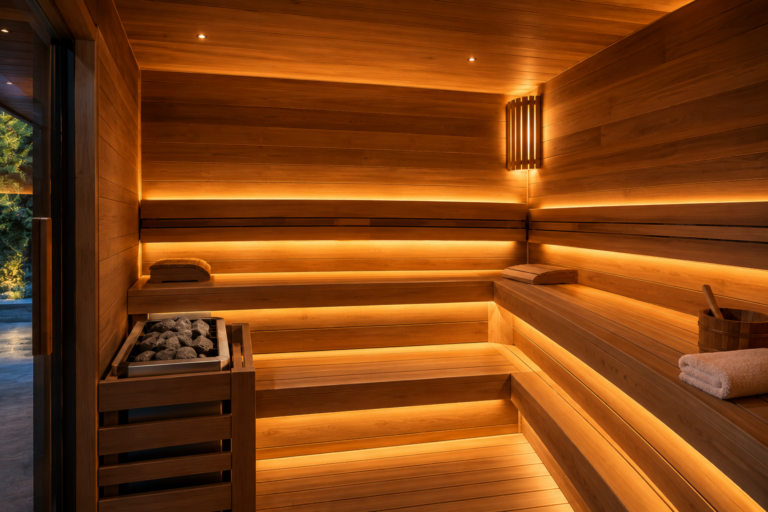
This creates different temperature zones inside the sauna.
The upper benches are usually warmer because hot air rises.
This is why traditional sauna users often choose higher benches when they want a stronger heat experience.
Wood is not only used for appearance. It plays an important role in sauna performance.
Traditional sauna interiors commonly use woods such as:
These materials are chosen because they can handle temperature changes and create a comfortable surface.
Unlike materials such as metal or tile, wood does not become excessively hot to touch, making it suitable for benches and walls.
A well-designed wooden sauna also helps maintain a comfortable atmosphere by supporting heat retention.
Ventilation is one of the most important parts of a traditional sauna.
A good ventilation system helps:
Traditional saunas usually include:
Fresh air enters the sauna while warmer air moves out, helping maintain balanced airflow.
Without proper ventilation, a sauna may feel uncomfortable even if the temperature is correct.
The heating time depends on several factors:
Many home traditional saunas take approximately 30 to 60 minutes to reach a comfortable operating temperature.
Larger outdoor saunas may require more time, especially during colder weather.
Allowing the sauna to fully warm up before use can provide a more consistent experience.
Most traditional saunas allow users to adjust temperature according to personal preference.
Common temperature ranges include:
The ideal temperature depends on the user and the sauna design.
A quality sauna should provide stable heat rather than simply reaching the highest possible temperature.
Although both provide a heated experience, they use different methods.
| Feature | Traditional Sauna | Infrared Sauna |
|---|---|---|
| Heating method | Heats the air | Uses infrared energy |
| Temperature | Higher | Lower |
| Humidity | Can be adjusted with water | Usually dry |
| Heater type | Sauna stove/heater | Infrared panels |
| Experience | Classic sauna feeling | Direct warming sensation |
Choosing between them depends on personal preference and the type of experience you want.
For a comfortable sauna experience:
Allow the sauna to reach the desired temperature before entering.
Drink enough water before and after using a sauna.
Especially for beginners, moderate temperatures can be more comfortable.
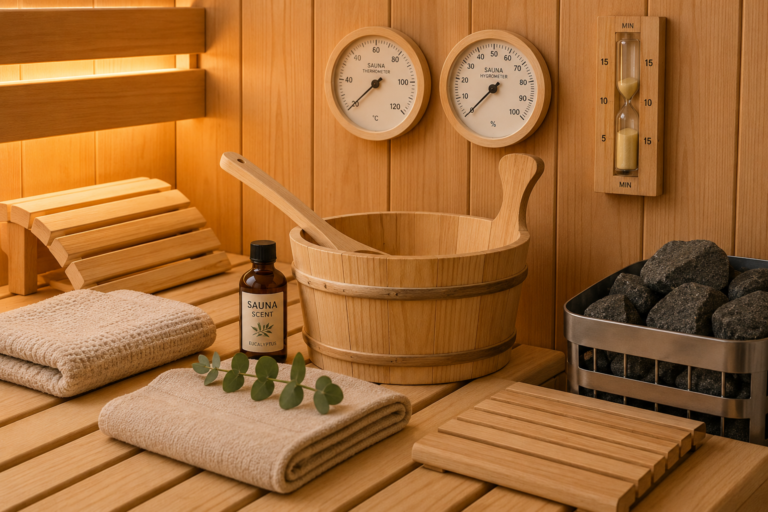
Items such as:
can improve comfort.
After use, proper ventilation helps maintain the sauna interior.
Understanding potential issues can help with maintenance.
Possible causes include:
Adding too much water to stones can make the sauna uncomfortable.
Possible causes:
Choosing the correct sauna size and heater capacity can prevent many problems.
A traditional sauna uses a heater to warm the air and heat sauna stones. The stones store heat and create steam when water is added.
Traditional saunas are not steam rooms, but adding water to heated stones creates temporary steam and increases humidity.
Most traditional saunas operate between approximately 150°F and 195°F (65°C to 90°C).
Most home saunas require around 30 to 60 minutes, depending on size, heater power, and insulation.
A good traditional sauna combines quality materials, proper heater performance, effective ventilation, and suitable sizing.
A traditional sauna works by combining heat, airflow, wood construction, and sauna stones to create a unique relaxation environment.
The heater warms the air and stones, the stones help distribute heat and create steam, while proper ventilation maintains comfort and air quality.
Understanding how a traditional sauna works makes it easier to compare different models and choose a sauna that matches your home, space, and personal preferences.