Newsletter Subscribe
Enter your email address below and subscribe to our newsletter

All voices matter
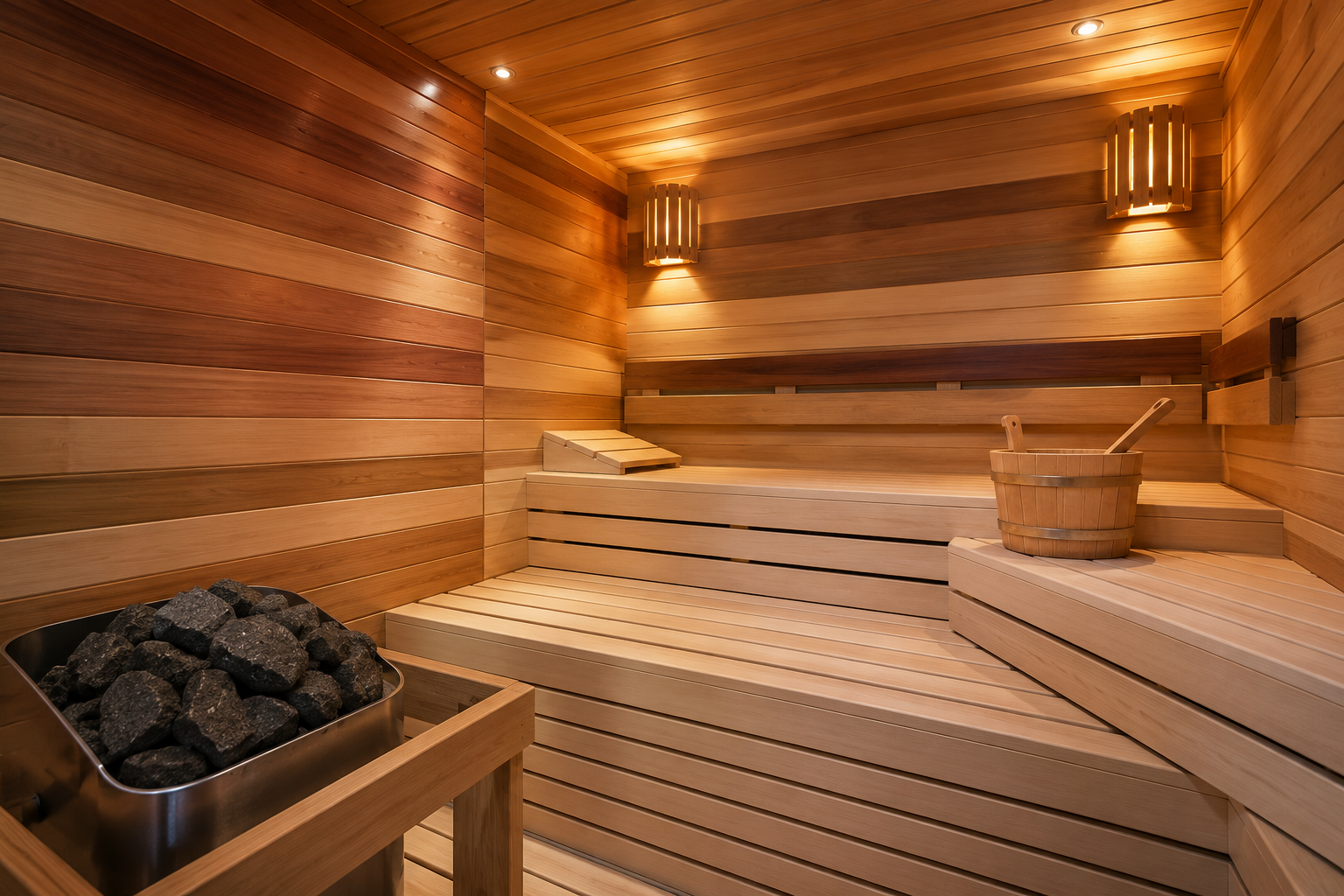
Ventilation is one of the most important parts of a well-designed sauna, but it is also something that is easy to overlook.
When planning a home sauna, most people naturally focus on the heater, wood, benches, lighting, and overall appearance. However, proper airflow is also an important part of the room design.
A sauna needs appropriate air circulation to help manage fresh air, humidity, and the overall indoor environment.
The exact ventilation setup depends on the sauna design, heater type, room construction, and manufacturer requirements. Understanding the basics can help you plan a more practical sauna.
Sauna ventilation is the system used to move air into and out of the sauna room.
A basic ventilation arrangement generally includes an air intake and an exhaust path.
The purpose is to help maintain appropriate air movement while the sauna is being used.
Ventilation can also be affected by:
Because every installation is different, the ventilation requirements for one sauna may not be suitable for another.
A sauna is a hot environment where the temperature and humidity can change significantly during use.
Appropriate ventilation can help manage the movement of air within the room.
It can also contribute to a more comfortable environment and help the sauna dry after use.
Without adequate airflow, a sauna may feel stuffy or retain unnecessary moisture.
For this reason, ventilation should be considered during the design stage rather than added as an afterthought.
Warm air naturally rises.
This characteristic affects how air circulates inside a sauna.
The heater, benches, ceiling height, intake, and exhaust location can all influence airflow.
A well-planned system should work with the overall sauna layout rather than simply placing vents wherever there is available wall space.
This is why manufacturers often provide specific ventilation recommendations for their sauna rooms and heaters.
There is no single vent location that works for every sauna.
The correct position depends on factors such as the heater type and ventilation design.
Some sauna designs use an intake near the heater, while the exhaust may be positioned elsewhere in the room.
Other installations may use mechanical ventilation.
The most important point is to follow the sauna and heater manufacturer’s installation instructions.
Do not copy a vent layout from another sauna without checking whether it is appropriate for your specific system.
The air intake provides a route for fresh air to enter the sauna.
Its location can influence how air moves around the heater and seating area.
When planning the intake, consider:
The intake should not be blocked by benches, accessories, or other objects.
The exhaust vent provides a route for air to leave the sauna.
Its location depends on the overall ventilation strategy.
An exhaust path can help move used air out of the room and support continued air circulation.
Again, the exact position should be determined according to the sauna design and applicable installation guidance.
Sauna ventilation can involve natural airflow or mechanical ventilation.
Natural ventilation relies on pressure differences and the movement of warm and cooler air.
It can be relatively simple, but its effectiveness depends on the building and sauna design.
Mechanical ventilation uses fans or the building’s ventilation system to move air.
This can provide more controlled airflow, but the system must be designed appropriately for the sauna environment.
The choice depends on the construction, heater, location, and applicable local requirements.
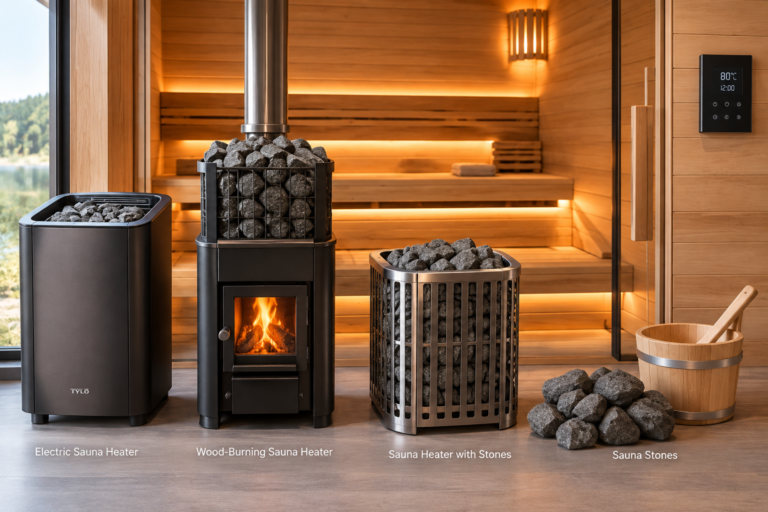
Traditional sauna heaters can create significant heat around the heater and stones.
As a result, ventilation planning is particularly important.
The heater manufacturer’s instructions should specify the recommended ventilation arrangement for the particular model.
If the sauna uses a wood-burning heater, additional ventilation and combustion-air considerations may apply.
These installations should follow the manufacturer’s requirements and applicable local codes.
Electric sauna heaters also require appropriate ventilation planning.
The ventilation system should work with the heater and room layout.
When installing an electric sauna, check the heater documentation for information about:
Avoid assuming that a standard household bathroom ventilation arrangement is automatically suitable for a sauna.
Air movement can influence how the sauna feels.
If airflow is poorly planned, certain areas of the room may feel noticeably different from others.
The heater location, bench height, ceiling height, and ventilation arrangement all contribute to the overall temperature distribution.
A good sauna design considers these elements together.
Traditional sauna users may occasionally add water to sauna stones when the heater is specifically designed for this purpose.
This temporarily increases humidity.
Appropriate ventilation can help manage the changing air conditions inside the sauna.
However, ventilation should not be used as a substitute for proper moisture management and construction.
The sauna should also be allowed to dry properly after use.
Ventilation is not only important while the sauna is occupied.
After a session, the room should be allowed to dry.
Moisture can remain on benches, walls, floors, and other surfaces.
A suitable ventilation arrangement can help move air through the room and support drying.
Opening the sauna door when appropriate can also help the room dry, depending on the installation environment.
Outdoor sauna cabins may have different ventilation considerations from indoor installations.
The design should account for:
An outdoor sauna should not simply copy the ventilation design of an indoor sauna.
The complete structure needs to be considered.
Vent locations should be determined before the sauna is built.
Benches or other objects should not obstruct the intended airflow.
Different heaters can have different ventilation requirements.
A small indoor electric sauna and a large outdoor wood-fired sauna may require very different ventilation approaches.
Ventilation should also be considered as part of post-use moisture management.
Changing vent locations or adding fans can affect the intended airflow.
Check the manufacturer’s documentation before modifying the system.
Before construction begins, identify:
This information can then be used to create a ventilation plan that matches the specific sauna.
Bench placement can influence airflow.
A large bench positioned directly in front of an intake or exhaust can interfere with the intended air movement.
When planning the interior, consider the heater, benches, vents, and door together.
A good sauna layout should allow the major components to work together rather than treating each element separately.
Sauna ventilation requirements vary by design, heater, and installation. Follow the manufacturer’s instructions and applicable local requirements.
There is no universal location. The correct placement depends on the sauna and heater design.
Do not assume that a standard bathroom fan is suitable. Check the sauna manufacturer’s ventilation requirements and the fan’s temperature rating and installation specifications.
Some sauna designs incorporate airflow through or around the door, while others use dedicated vents. Follow the requirements for the specific sauna system.
Air movement can affect the sauna environment, but the effect depends on the ventilation design, heater, and room construction. Proper ventilation should be planned to balance airflow with the intended sauna operating conditions.
Ventilation may not be the most visible part of a sauna, but it plays an important role in the overall design.
A good ventilation plan should consider the heater, room dimensions, bench layout, air intake, exhaust, and construction of the sauna.
The correct solution is not necessarily the same for every installation.
Before building or modifying a sauna, check the heater and sauna manufacturer’s instructions and follow applicable local requirements.
By planning ventilation from the beginning, you can create a sauna that is more practical to use, easier to maintain, and better suited to the space.