Newsletter Subscribe
Enter your email address below and subscribe to our newsletter

All voices matter
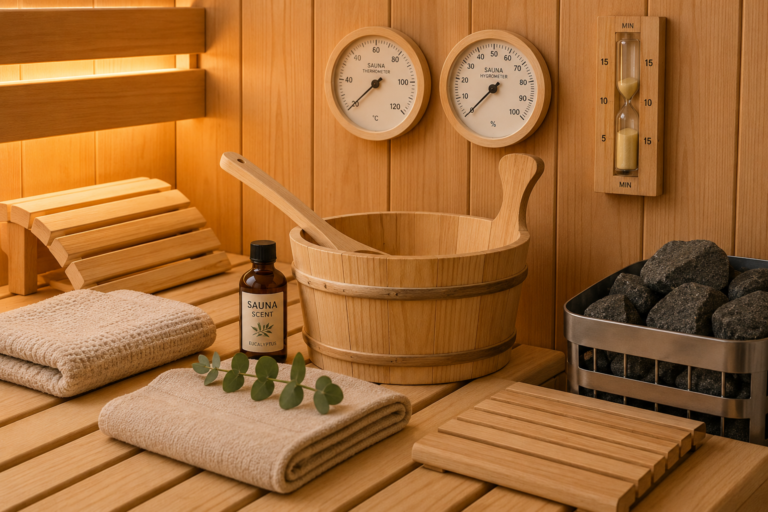
When people think about a traditional sauna, they often focus on temperature. However, humidity is another important factor that affects the overall sauna experience.
Unlike steam rooms, traditional saunas are designed to provide a hot and relatively dry environment. The humidity level can change depending on the sauna temperature, ventilation, heater type, and whether water is added to the sauna stones.
Understanding how humidity works can help you create a more comfortable and enjoyable sauna session.
Humidity refers to the amount of water vapor present in the air.
In a traditional sauna, humidity is usually much lower than in a steam room. The main source of moisture comes from pouring small amounts of water onto heated sauna stones.
When water touches the hot stones, it quickly turns into steam and increases the humidity for a short period of time.
This process is often called löyly, a Finnish term describing the burst of steam and heat created when water is added to sauna stones.
The humidity increase is temporary, and the sauna will gradually return to a drier environment.
Traditional saunas usually operate with relatively low humidity.
A common humidity range is approximately:
| Sauna Condition | Approximate Humidity |
|---|---|
| Dry traditional sauna | 5%–20% |
| Moderate humidity after adding water | 20%–40% |
| Higher humidity sauna session | 40%+ |
The exact humidity level depends on factors such as:
Unlike steam rooms, traditional saunas are not designed to maintain extremely high humidity.
Temperature and humidity are closely connected because they affect how heat feels on your skin.
A traditional sauna operating at a high temperature with dry air may feel different from the same sauna temperature with increased humidity.
When humidity rises, sweat evaporates more slowly. This can make the heat feel stronger because your body has more difficulty cooling itself.
For example:
This is why many sauna users adjust both temperature and humidity to create their preferred experience.
Adding water to sauna stones is one of the defining features of a traditional sauna.
There are several reasons people choose to add water:
When water contacts hot sauna stones, it creates a wave of warm steam that spreads throughout the room.
This creates the classic traditional sauna atmosphere.
The increase in humidity can make the sauna feel warmer without changing the temperature setting.
Some users prefer this stronger heat sensation.
A small amount of steam can make the sauna environment feel less dry.
However, adding too much water at once can create excessive humidity and may make the environment uncomfortable.
Many people confuse traditional saunas and steam rooms because both use heat and moisture.
However, they are designed differently.
| Feature | Traditional Sauna | Steam Room |
|---|---|---|
| Temperature | Higher | Lower |
| Humidity | Low to moderate | Very high |
| Heating Method | Heated air and sauna stones | Steam generator |
| Environment | Dry heat | Moist heat |
| Typical Materials | Wood interior | Tile and waterproof surfaces |
A traditional sauna focuses on high-temperature dry heat with occasional steam, while a steam room creates a continuously humid environment.
Managing humidity in a sauna is usually simple.
Do not pour large amounts of water onto the stones at once.
Small amounts allow you to adjust the humidity more comfortably.
Proper ventilation helps control air quality and prevents excessive moisture buildup.
A well-designed sauna should allow fresh air movement while maintaining comfortable heat.
Higher temperatures can change how humidity feels.
Some users prefer slightly lower temperatures when adding more steam.
The size of the sauna affects how quickly humidity changes.
A small sauna may feel more humid after adding water compared with a larger sauna.
There is no universal amount because sauna heaters, stones, and room sizes vary.
A common approach is:
Always follow the manufacturer’s recommendations for your specific sauna heater.
Using too much water may affect heater performance or create unnecessary moisture.
Higher humidity does not always mean a better sauna experience.
The ideal balance depends on personal preference.
Some users enjoy a dry, intense heat, while others prefer occasional steam from sauna stones.
A high-quality traditional sauna should allow users to control temperature, airflow, and humidity according to their comfort.
The goal is not to create the most extreme environment, but to create a comfortable and enjoyable experience.
Too much water can make the sauna feel uncomfortable and may create excessive moisture.
Poor airflow can affect comfort and air quality.
If someone prefers a very humid environment, a steam room may be more suitable than a traditional sauna.
Many beginners only look at temperature settings and ignore humidity, even though both factors affect the experience.
Humidity management is also important for maintaining a sauna.
Traditional sauna wood is designed to handle changes in temperature and moisture, but excessive moisture can create unnecessary stress on materials.
Good sauna maintenance includes:
A properly maintained sauna can remain comfortable and attractive for many years.
Traditional saunas typically operate at low humidity levels, often around 5% to 20%, although adding water to sauna stones can temporarily increase humidity.
Traditional saunas are mainly dry heat environments. Some humidity is created when users add water to heated sauna stones.
Water should only be added to sauna stones if the heater is designed for that purpose. Always check the manufacturer’s instructions.
Some people enjoy the added steam because it changes the heat sensation, but the preferred humidity level depends on personal comfort.
A traditional sauna has low to moderate humidity, while a steam room maintains very high humidity through continuous steam production.
Humidity is an important part of the traditional sauna experience. While temperature determines the level of heat, humidity influences how that heat feels.
A traditional sauna is not designed to be extremely humid like a steam room. Instead, it creates a balance between high temperature, dry air, and occasional bursts of steam from heated sauna stones.
By understanding how temperature and humidity work together, you can create a more comfortable sauna environment and choose a sauna that matches your preferred experience.