Newsletter Subscribe
Enter your email address below and subscribe to our newsletter

All voices matter
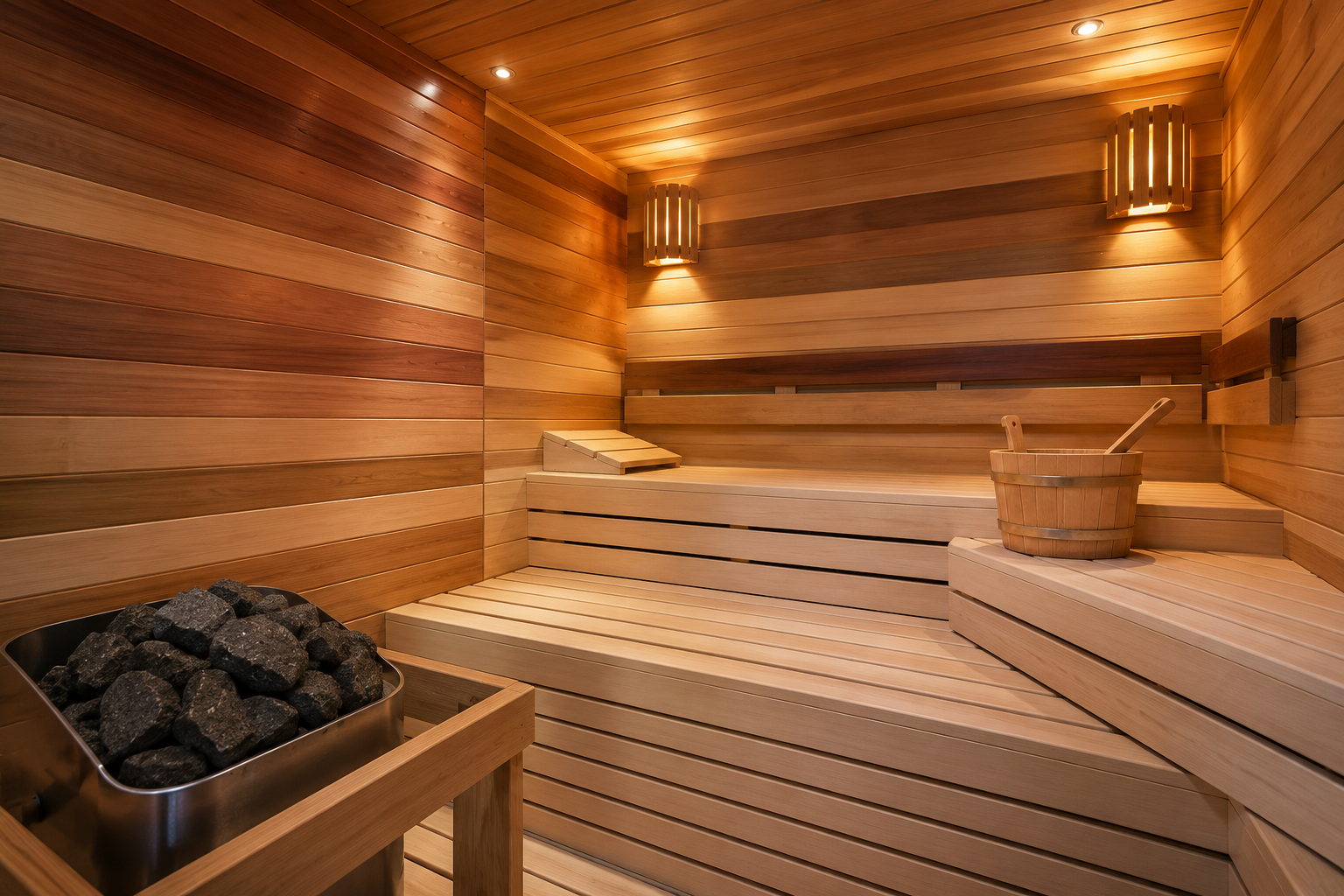
A home sauna can be a comfortable place to relax, unwind, and enjoy a traditional sauna experience. However, like any high-temperature environment, a sauna should be used responsibly.
Whether you are using a traditional sauna for the first time or setting up a sauna at home, understanding basic safety practices can help create a more comfortable experience.
This guide covers practical sauna safety tips, including preparation, temperature awareness, hydration, heater safety, and when to leave the sauna.
A sauna creates a high-temperature environment that causes the body to become warm and sweat.
Most people can enjoy sauna use safely when they follow appropriate precautions, but heat affects everyone differently.
Several factors can influence how you respond to a sauna, including:
For this reason, there is no need to treat sauna use as a test of endurance.
A comfortable and controlled session is more important than staying inside for as long as possible.
If you are new to sauna use, start with a shorter session.
You do not need to immediately spend a long time inside the sauna. A shorter session allows you to become familiar with the environment and understand how you respond to the heat.
As you gain experience, you can adjust the duration according to your comfort.
The goal should be a relaxing experience rather than trying to tolerate the highest temperature or longest session.
Before entering the sauna, understand the temperature setting and how the controls work.
Traditional saunas can reach high temperatures, and the experience can become more intense as the session continues.
A thermometer inside the sauna can make it easier to monitor the environment.
Avoid changing the temperature simply because you want to make the session more intense.
If the sauna feels uncomfortably hot, leave the room and allow yourself to cool down.
Sauna sessions involve sweating, so maintaining normal hydration is important.
Drink fluids regularly throughout the day and consider having water available before and after your sauna session.
If you have been sweating heavily, replacing fluids afterward can be particularly important.
Do not rely on the sauna as a substitute for normal hydration.
Alcohol and high heat are not a good combination.
Alcohol can affect hydration and may change how your body responds to heat.
For this reason, it is best to avoid using a sauna while under the influence of alcohol.
A sauna session should be approached as a separate wellness activity rather than combined with drinking.
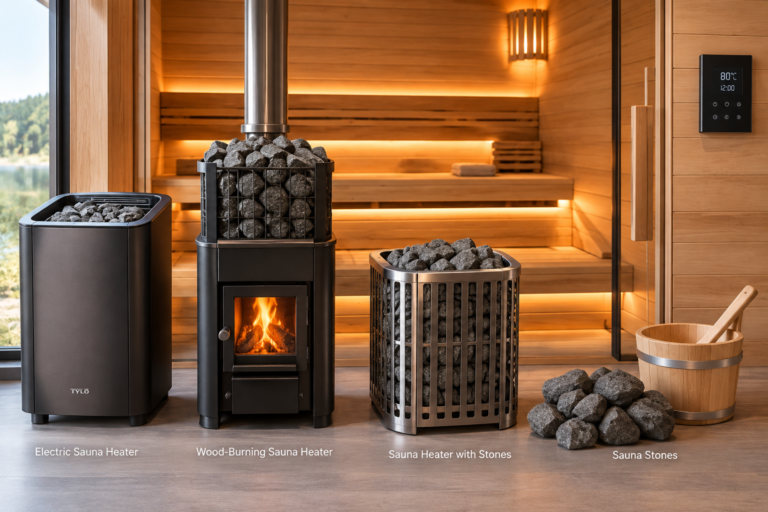
The sauna heater is one of the most important safety components in a traditional sauna.
Keep towels, clothing, wooden accessories, and other combustible objects away from the heater unless they are specifically designed to be used in that location.
Follow the manufacturer’s required clearance around the heater.
Do not place objects on top of the heater unless the manufacturer specifically states that they are designed for that purpose.
Traditional sauna heaters may use specially designed sauna stones.
If your heater is designed to allow water to be added to the stones, follow the manufacturer’s instructions regarding the amount and type of water that can be used.
Do not pour excessive amounts of water onto the heater.
Avoid using products that are not specifically intended for sauna use.
Always follow the heater manufacturer’s instructions because different sauna heaters can have different requirements.
A clean sauna is more pleasant to use and easier to maintain.
Regularly clean:
Use cleaning methods and products appropriate for sauna materials.
Avoid excessive water and harsh chemicals that could damage the wood.
Regular cleaning also makes it easier to notice problems such as damaged boards, loose hardware, or other maintenance issues.
A quick inspection can help identify potential problems before they become more serious.
Check:
If something appears damaged or unusual, stop using the affected component and follow the manufacturer’s maintenance recommendations.
Electrical problems should be handled by a qualified professional.
The sauna door should always be easy to operate.
Do not block the door with furniture, storage items, or other objects.
Before using the sauna, make sure the door and surrounding area are clear.
A properly functioning door is an important part of a safe sauna environment.
Not every household item is designed for high temperatures.
Avoid bringing items such as:
If you want to use an accessory inside the sauna, make sure it is specifically designed for sauna conditions.
Some people enjoy using sauna-specific fragrances, but essential oils should be handled carefully.
Never assume that an ordinary essential oil can be poured directly onto sauna stones.
Some oils may be flammable or unsuitable for direct contact with a hot heater.
Only use products according to their instructions and the sauna heater manufacturer’s recommendations.
There is no benefit to forcing yourself to remain inside the sauna when you are uncomfortable.
If the heat becomes too intense, leave the sauna and cool down.
A break can be as simple as sitting in a cooler area and allowing your body to return to a comfortable temperature.
You can decide later whether you want another short session.
Pay attention to how you feel during the session.
Leave the sauna if you experience symptoms such as:
Do not try to push through these symptoms to complete a predetermined session time.
If symptoms are severe, persistent, or concerning, seek appropriate medical attention.
If you are using a sauna for the first time, keep the experience simple.
Start with a moderate session and become familiar with:
You can gradually develop your own comfortable routine as you gain experience.
There is no reason to copy someone else’s sauna schedule.
Children may respond differently to high temperatures than adults.
If children will be around a home sauna, follow the sauna manufacturer’s recommendations and never assume that an adult sauna environment is automatically appropriate for a child.
Young children should not be left unattended around a sauna or heater.
Keep the heater area inaccessible to anyone who may accidentally touch hot surfaces.
Older adults may also have different responses to heat.
Anyone with concerns about how heat exposure may interact with medications or an existing health condition should discuss sauna use with an appropriate healthcare professional before starting a routine.
The goal should always be a comfortable and appropriate sauna experience rather than maximum heat exposure.
There are situations where sauna use may not be appropriate.
If you are feeling ill, dehydrated, unusually tired, or otherwise unwell, consider postponing your sauna session.
People with specific medical conditions or concerns about heat exposure should consult a healthcare professional before using a sauna.
This is particularly important if you take medications that may affect hydration, blood pressure, or your body’s response to heat.
Longer sessions are not necessarily better.
Dizziness or feeling faint is a reason to leave the sauna.
Towels and other materials should be kept away from hot equipment.
Only use water according to the heater manufacturer’s instructions.
Household items and chemicals may not be suitable for sauna conditions.
A sauna should be inspected regularly to identify damaged equipment or surfaces.
There is no universal duration for everyone. Beginners can start with shorter sessions and gradually adjust according to comfort and the sauna manufacturer’s recommendations.
Maintaining normal hydration is important. Drink fluids regularly and consider having water available before and after a sauna session.
Ordinary phones and electronic devices are generally not designed for the high temperatures found in a traditional sauna. It is better to leave electronic devices outside unless they are specifically rated for the environment.
Only if the sauna heater is designed for this purpose. Follow the manufacturer’s instructions regarding the type and amount of water.
Leave the sauna, move to a cooler area, and allow yourself to recover. If symptoms are severe or persistent, seek appropriate medical attention.
Sauna safety does not need to be complicated.
Start gradually, stay aware of the temperature, maintain normal hydration, keep the heater area clear, and follow the manufacturer’s instructions for your sauna and heating system.
Most importantly, listen to your body. If you feel uncomfortable or unwell, leave the sauna rather than trying to complete a specific session time.
A well-maintained sauna combined with sensible usage habits can help create a comfortable and enjoyable home sauna environment.