Newsletter Subscribe
Enter your email address below and subscribe to our newsletter

All voices matter
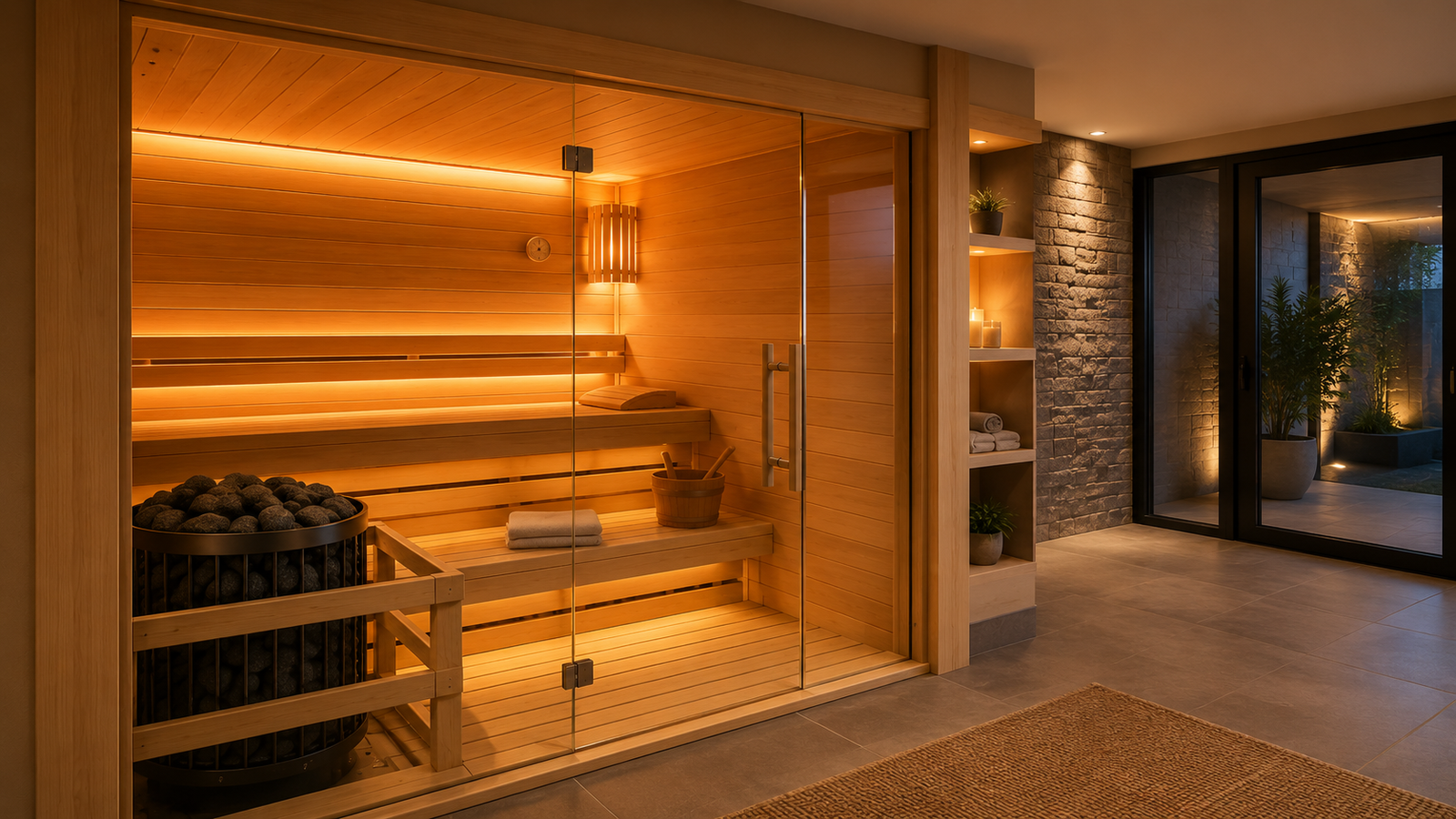
Adding a sauna to your home can be an exciting project, but the total cost can vary considerably depending on the type of sauna, size, materials, heater, installation, and features you choose.
A compact sauna cabin may require a relatively straightforward setup, while a custom-built sauna room can involve construction, electrical work, ventilation, insulation, and other additional expenses.
Understanding the different costs before purchasing can help you create a realistic budget and avoid unexpected expenses.
In this guide, we look at the main factors that determine the cost of a home sauna and what you should consider before making a purchase.
There is no single price for a home sauna.
The final cost depends on several factors, including:
Two saunas with similar dimensions can have very different prices because of differences in materials and equipment.
The first step in estimating your budget is deciding what type of sauna you want.
Traditional saunas use a heater to warm the air inside the sauna.
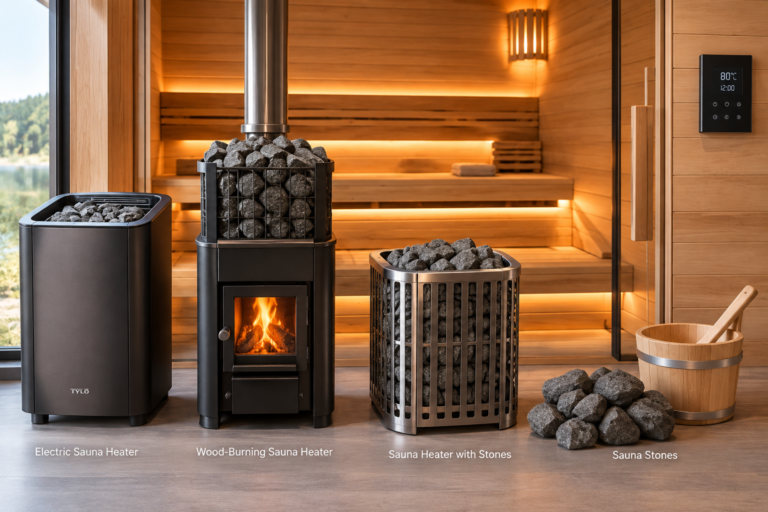
Depending on the design, the heater may be electric or wood-burning.
Traditional saunas can range from compact prefabricated cabins to fully customized rooms.
The overall cost depends heavily on the construction and heater system.
Infrared saunas use infrared heating elements rather than primarily heating the surrounding air.
They are often sold as compact cabins and can be suitable for homeowners who have limited space.
The price varies depending on the size, materials, heating system, controls, and additional features.
A custom sauna is usually designed specifically for an existing room or outdoor structure.
This provides more flexibility in:
However, customization can increase both material and labor costs.
Size is one of the biggest factors affecting the overall cost.
A one- or two-person sauna generally requires less material than a larger sauna designed for several people.
Larger saunas may require:
Before comparing prices, determine how many people you realistically expect to use the sauna.
Choosing a sauna that is much larger than necessary can increase the cost without providing much additional value.
The heater is one of the most important components of a traditional sauna.
Electric sauna heaters are available in different capacities depending on the size of the sauna.
When comparing heaters, consider:
A larger heater is not automatically better.
The heater should be matched to the sauna’s size and construction.
The wood used inside the sauna can significantly affect the price.
Different wood species have different appearances, characteristics, and price points.
Common sauna woods include:
The final choice depends on your budget, appearance preferences, and the manufacturer’s recommendations.
Bench construction can also affect the overall price.
A simple bench design may cost less than a customized multi-level seating system.
Glass can add visual appeal to a sauna but can also increase the project cost.
A simple sauna door may be less expensive than a large glass wall or custom glass installation.
Glass choices may include:
When comparing prices, consider both the glass itself and the required hardware and installation.
Installation can be a significant part of the overall budget.
A prefabricated sauna may require less work than a custom-built sauna room.
Installation may involve:
The actual requirements depend on the sauna model and installation location.
Electrical and other specialized work should be completed by qualified professionals where required.
The location of the sauna can influence the total project cost.
An indoor sauna may be installed in:
An existing suitable space can reduce construction requirements.
However, electrical connections, ventilation, flooring, and moisture considerations still need to be addressed.
Outdoor saunas may require additional work for:
An outdoor sauna can therefore involve more than simply purchasing the sauna cabin.
A prefabricated sauna can be an attractive option when you want a more predictable project.
Many components are already designed and manufactured to work together.
Benefits can include:
A custom sauna offers more flexibility.
You can choose the exact:
The trade-off is that custom construction generally involves more planning and labor.
Electric sauna heaters may require dedicated electrical infrastructure.
Depending on the heater and property, installation may involve:
Do not assume that an existing outlet can power a sauna heater.
Check the heater’s electrical specifications before planning the installation.
Ventilation is an important part of sauna design.
The system should provide appropriate airflow based on the sauna design and heater configuration.
Costs can vary depending on whether the sauna is being installed in an existing room or constructed from scratch.
If a new ventilation system is required, this should be included in the initial budget rather than treated as an afterthought.
Lighting can range from a simple fixture to a more elaborate system.
Options may include:
A simple lighting system can keep the budget under control, while customized lighting can become a larger design expense.
Always use lighting products suitable for their intended sauna environment.
Accessories may seem inexpensive individually, but several items can add to the total project cost.
Common sauna accessories include:
Not every sauna requires every accessory.
Start with the essentials and add optional features later.
One of the most common budgeting mistakes is focusing only on the sauna itself.
Additional costs may include:
Ask for a complete project estimate rather than looking only at the advertised sauna price.
A simple approach is to divide the project into several categories.
| Category | What to Consider |
|---|---|
| Sauna structure | Cabin or custom room |
| Heater | Type and capacity |
| Wood | Walls, ceiling, benches |
| Door | Wood or glass |
| Electrical | Wiring and circuit requirements |
| Ventilation | Air intake and exhaust |
| Lighting | Basic or customized |
| Installation | Assembly and professional labor |
| Accessories | Optional equipment |
| Site preparation | Especially for outdoor saunas |
This makes it easier to see where your money is going.
You do not necessarily need the most expensive sauna to create a good home setup.
Consider these strategies:
Avoid paying for unused space.
A package that includes the cabin, heater, door, and basic components may simplify budgeting.
Complex custom layouts can increase labor and material costs.
Standard components can sometimes be easier to source and install.
Spend more attention on the heater, construction quality, ventilation, and installation rather than unnecessary decorative features.
Changing the layout after construction has started can be expensive.
Whether a sauna is worth the investment depends on how often you expect to use it and what you value most.
If you plan to use the sauna regularly for years, investing in durable construction and appropriate equipment may make more sense than choosing solely based on the lowest initial price.
On the other hand, if you have limited space or expect occasional use, a compact sauna may be a more practical option.
The best value is not necessarily the cheapest sauna.
It is the sauna that fits your space, usage, and long-term expectations.
Before making a purchase, ask:
Answering these questions can make your budget much more accurate.
The cost varies widely depending on the sauna type, size, materials, heater, installation, and additional features. A basic prefabricated sauna and a fully customized sauna room can have very different total costs.
It depends on the project. A prefabricated sauna can simplify installation and provide more predictable costs, while a custom sauna offers greater flexibility but may involve additional labor and construction expenses.
Electric sauna heaters consume electricity, but actual operating costs depend on heater power, sauna size, insulation, session length, frequency of use, and local electricity rates.
There is no single answer. For a custom installation, construction and labor can be significant expenses. The heater, wood, glass, electrical work, and site preparation can also contribute substantially to the total cost.
Generally, a smaller sauna requires fewer materials and may need a smaller heater, which can reduce the overall project cost. However, the final price still depends on the design and equipment.
The cost of a home sauna depends on much more than the price of the sauna cabin itself.
Before making a purchase, consider the sauna type, size, heater, wood, door, electrical system, ventilation, lighting, installation, and any required site preparation.
For homeowners who want a straightforward installation, a prefabricated sauna can provide a simpler starting point.
For those who want a specific layout or design, a custom sauna can offer greater flexibility.
The key is to establish your requirements first and then compare complete project costs rather than focusing only on the initial product price.
A well-planned budget can help you choose a sauna that fits both your home and your long-term needs.