Newsletter Subscribe
Enter your email address below and subscribe to our newsletter

All voices matter
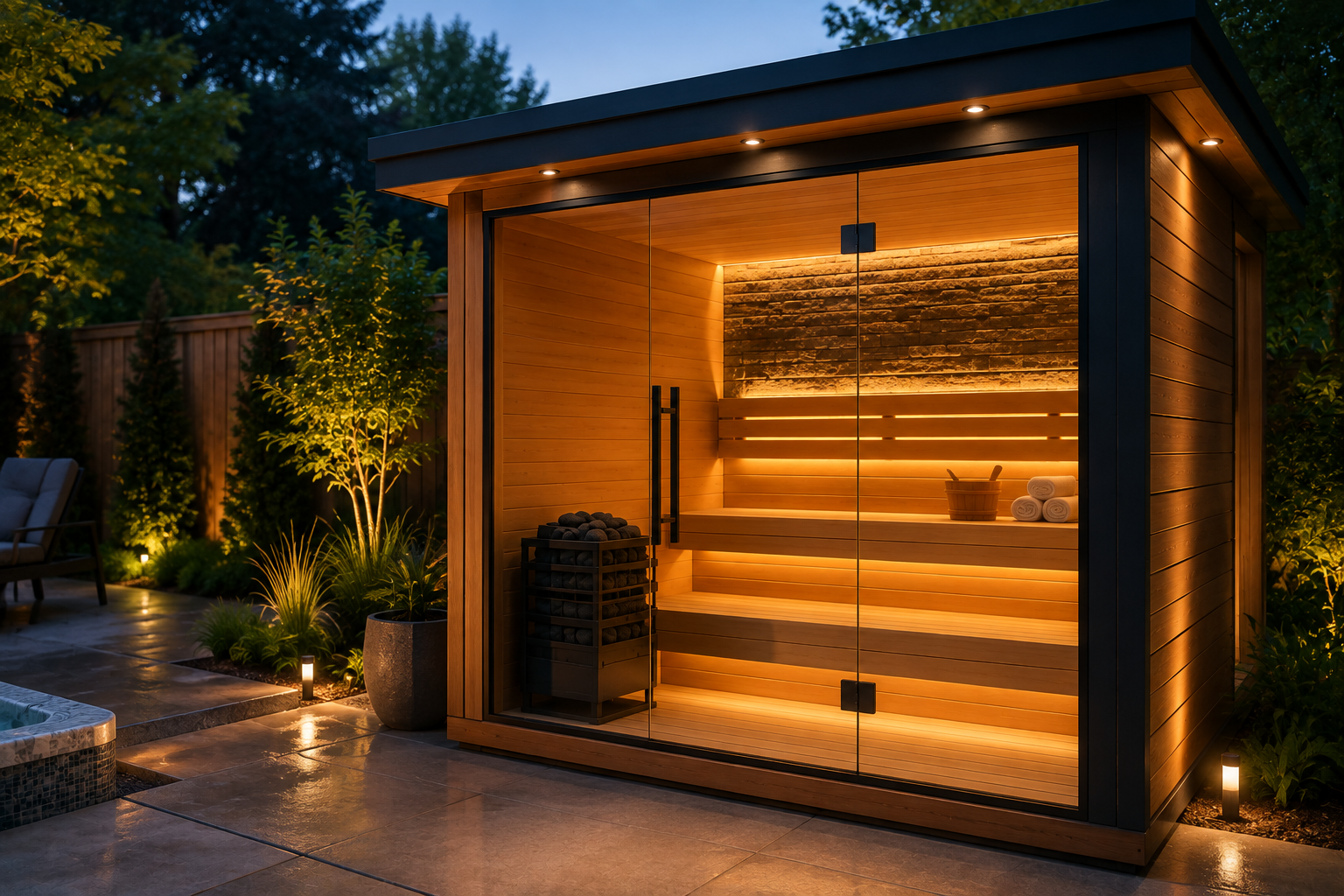
Choosing a home sauna involves more than selecting a heater or deciding how many people will use it. One of the first decisions is where the sauna should be installed.
For many homeowners, the choice comes down to an indoor sauna or an outdoor sauna.
Both options can create a comfortable sauna space, but they have different requirements when it comes to available space, installation, weather exposure, maintenance, and overall design.
Understanding these differences can help you decide which type is a better fit for your home.
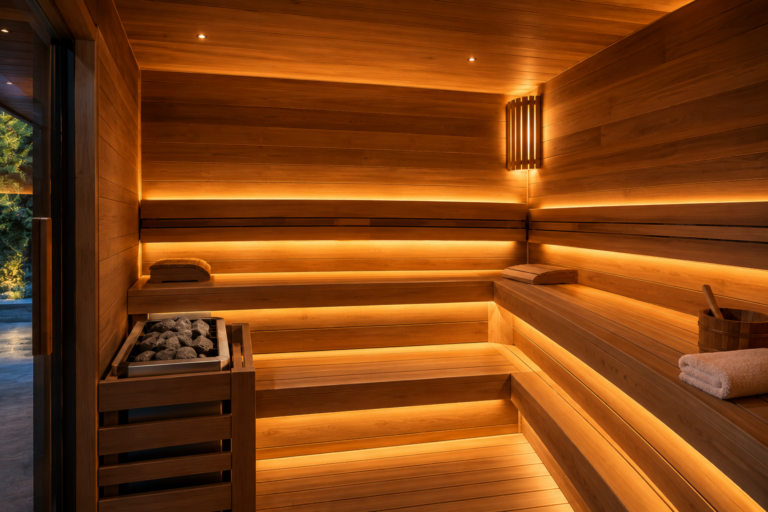
An indoor sauna is installed inside an existing building.
Common locations include:
Indoor saunas are often chosen by homeowners who want convenient access to their sauna throughout the year.
Because the sauna is protected by the surrounding building, it is generally less exposed to outdoor weather conditions.
However, the room still needs to be suitable for sauna installation.
An outdoor sauna is installed outside the main house.
Typical locations include:
Outdoor saunas can be built as standalone structures or installed as prefabricated sauna cabins.
One of the biggest advantages of an outdoor setup is the flexibility of the surrounding space.
Instead of modifying an existing room inside the home, you can create a dedicated sauna area outdoors.
| Feature | Indoor Sauna | Outdoor Sauna |
|---|---|---|
| Location | Inside the home | Outside the home |
| Weather exposure | Low | Higher |
| Space requirements | Uses existing indoor space | Requires outdoor space |
| Installation | May require room modifications | May require a suitable base |
| Access | Very convenient | Requires going outdoors |
| Design options | Integrated with interior | Can become a standalone feature |
| Maintenance | Mainly indoor maintenance | Exterior maintenance may be required |
| Privacy | Depends on room location | Depends on outdoor surroundings |
The best option depends on your home and how you want to use the sauna.
One of the main reasons people choose an indoor sauna is convenience.
You can move directly from other areas of your home into the sauna without going outside.
This can be particularly useful when the sauna is located near a bathroom, bedroom, or home gym.
An indoor sauna is protected from rain, snow, wind, and direct sunlight.
This can simplify exterior maintenance because the sauna itself is inside a controlled environment.
An indoor sauna can become part of an existing wellness area.
For example, you could create a dedicated space containing:
This can create a complete home wellness area without requiring a separate outdoor structure.
Indoor installation also has some important requirements.
You need enough room not only for the sauna but also for the door, ventilation, electrical connections, and maintenance access.
A small indoor sauna may fit into a compact room, while a larger model may require a dedicated space.
Proper ventilation should be planned as part of the installation.
The exact requirements depend on the sauna design, heater, and room configuration.
Follow the manufacturer’s ventilation recommendations before installation.
Although a traditional sauna is different from a steam room, moisture can still be introduced through sweating, cleaning, and water used on sauna stones when the heater is designed for it.
The surrounding room should therefore be suitable for the sauna installation.
An outdoor sauna allows you to create a dedicated structure specifically for sauna use.
You do not need to sacrifice an existing bedroom, bathroom, or other indoor room.
This can be especially useful for homeowners with limited indoor space.
Outdoor saunas can be positioned in different parts of a property depending on available space and local requirements.
A backyard sauna can also become part of a larger outdoor relaxation area.
An outdoor sauna can provide a different atmosphere from an indoor installation.
Depending on the location, you may be able to place it near:
The surrounding environment can become part of the overall sauna experience.
Outdoor saunas are exposed to changing weather conditions.
Rain, snow, sunlight, humidity, and temperature changes can affect exterior materials over time.
The sauna should be designed and maintained appropriately for the local climate.
An outdoor sauna needs a stable and suitable base.
Depending on the sauna design and site, this could involve a concrete slab, pavers, or another appropriate foundation.
Always follow the manufacturer’s requirements and local building regulations.
Before ordering an outdoor sauna, consider how it will reach the installation location.
Check:
A sauna may fit perfectly in the backyard but still be difficult to deliver if the access route is too narrow.
Neither option is maintenance-free.
Indoor saunas are protected from outdoor weather, but they still require regular cleaning and inspection.
Outdoor saunas require similar interior maintenance plus attention to the exterior structure.
For an outdoor sauna, regularly inspect:
The maintenance schedule will depend on the sauna’s construction materials and local climate.
The answer depends on how you define space.
An indoor sauna may have a relatively small footprint, but it occupies space that could otherwise be used for another purpose.
An outdoor sauna requires yard or patio space, but it does not take away an indoor room.
If indoor space is limited but you have a suitable backyard, an outdoor sauna may be more practical.
If you have limited outdoor space but an unused room indoors, an indoor sauna may make more sense.
For a small home, start by looking at the space you already have.
A compact indoor sauna may work well in a spare room, basement, or home gym.
However, if indoor space is already limited, a compact outdoor sauna may provide another option.
The important thing is to measure the actual installation area before choosing a model.
A larger property gives you more flexibility.
If you have a suitable backyard, an outdoor sauna can become a dedicated feature of the property.
If you already have a large home gym or wellness room, an indoor sauna may integrate naturally with the existing space.
There is no universal answer because the best choice depends on how the property is arranged.
Outdoor sauna use in cold weather can create a very different experience from indoor installation.
However, the sauna structure must be appropriate for the local climate.
Pay attention to:
The manufacturer’s specifications should be followed carefully, particularly in areas with extreme weather.
The total cost depends on much more than the sauna itself.
Factors can include:
An outdoor sauna may require additional site preparation, while an indoor sauna may require modifications to an existing room.
When comparing prices, consider the complete installation cost rather than only the advertised sauna price.
Ask yourself a few simple questions.
If you have an unused room or suitable area, an indoor sauna may be convenient.
If your backyard has a suitable location, an outdoor sauna may provide more flexibility.
If you want the sauna to be separate from your house, an outdoor model may be a better match.
Outdoor saunas require additional attention to exterior materials and weather exposure.
Indoor saunas offer direct access from inside the home.
Neither is universally better. Indoor saunas provide convenient access and protection from weather, while outdoor saunas can create a dedicated sauna space without using an indoor room.
Yes, many sauna models are specifically designed for outdoor installation. Make sure the model, foundation, electrical system, and exterior materials are appropriate for outdoor use.
An outdoor sauna needs a stable installation surface. The exact foundation requirements depend on the sauna model and local conditions.
Indoor saunas are generally protected from direct weather exposure, but they still require regular cleaning, inspection, and appropriate ventilation.
Some sauna models can be installed in or near bathrooms, but the specific room, electrical system, ventilation, flooring, and sauna manufacturer’s requirements must be suitable.
Choosing between an indoor and outdoor sauna ultimately comes down to your available space, installation conditions, preferred design, and lifestyle.
An indoor sauna can provide convenient access and integrate naturally into a home gym, bathroom, basement, or wellness area.
An outdoor sauna can create a dedicated relaxation space while preserving valuable indoor floor space. However, it requires greater attention to weather protection, foundation, delivery access, and exterior maintenance.
Before purchasing, measure your available space carefully and consider the complete installation requirements.
The right choice is not necessarily the larger or more expensive option. It is the sauna that fit