Newsletter Subscribe
Enter your email address below and subscribe to our newsletter

All voices matter
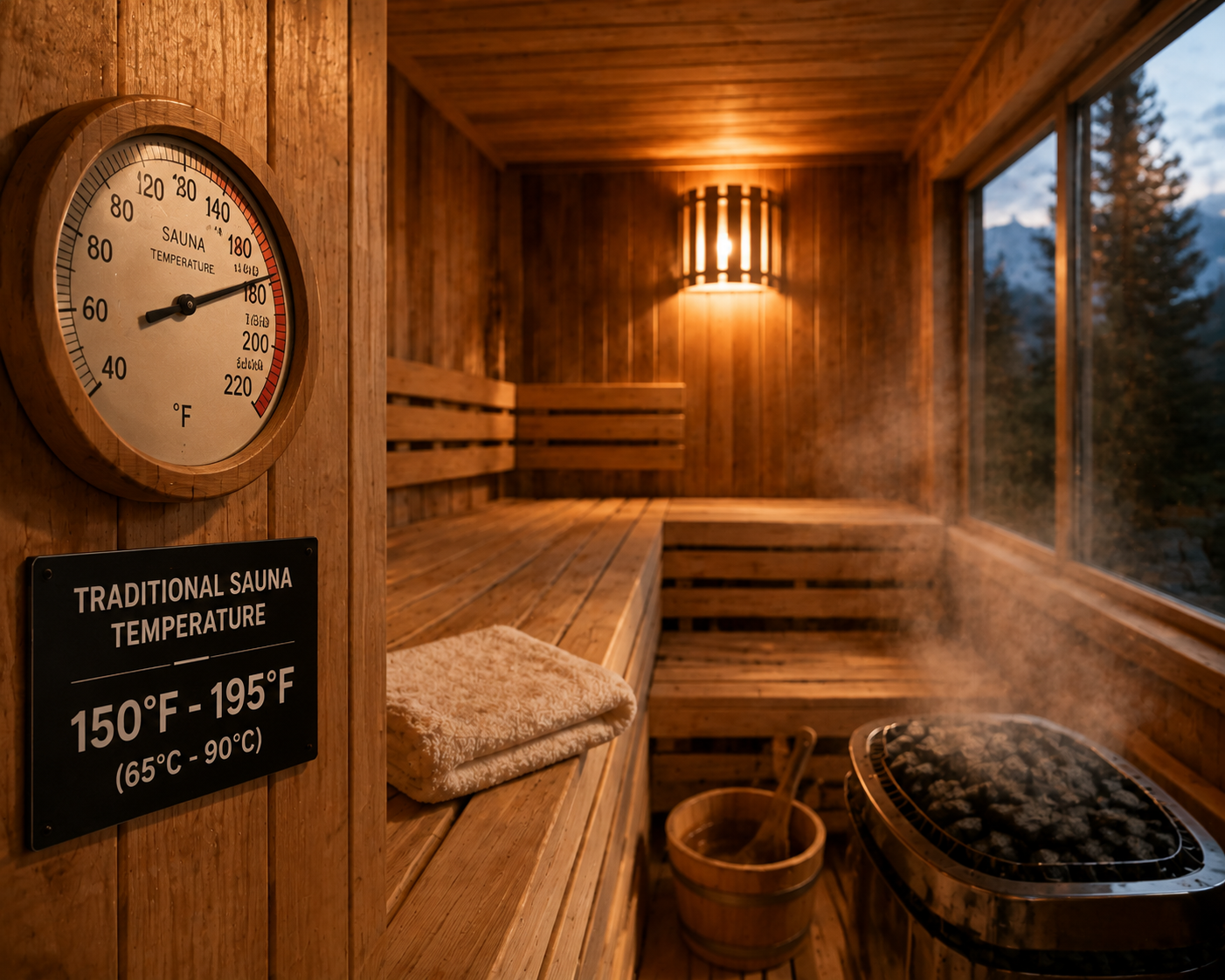
Lighting can completely change the atmosphere of a sauna.
While traditional sauna interiors often rely on warm, subtle lighting, modern designs offer many different ways to illuminate the room. From concealed LED strips to wall lights and under-bench lighting, the right setup can make a sauna feel more comfortable and visually appealing.
However, sauna lighting is different from ordinary indoor lighting. The fixtures and electrical components need to be appropriate for the temperature and location where they are installed.
This guide explains what to consider when planning lighting for a home sauna.
A sauna is usually a small enclosed space with wood walls and benches.
The right lighting can help create a warm and relaxing environment without making the room feel overly bright.
Good sauna lighting can also:
Lighting should be considered together with the sauna’s layout, benches, heater, and ventilation.
The color of the light has a significant effect on the atmosphere.
Warm light can create a cozy and relaxing appearance.
It works particularly well with:
Cooler light can create a cleaner and more contemporary appearance.
However, very bright or cool lighting may make a small sauna feel less relaxing.
For many sauna designs, softer warm lighting is a popular choice.
There are several possible locations for sauna lighting.
A ceiling fixture can provide general illumination.
However, the exact fixture and position must be suitable for the sauna’s operating temperature.
Wall-mounted lights can create a softer atmosphere and reduce harsh shadows.
They can also become part of the overall interior design.
Lighting beneath the benches can create a subtle floating effect.
This is particularly popular in modern sauna designs.
It provides indirect illumination without making the room excessively bright.
Concealed lighting behind a wooden backrest can produce a soft glow.
This can be an effective option when you want the light source itself to remain mostly hidden.
LED lighting is commonly used in modern sauna designs because it can provide flexible installation options.
However, not every LED fixture is suitable for a sauna.
Before installing LED lights, check:
The fact that a product is labeled as an LED light does not automatically mean it is suitable for a hot sauna environment.
Indirect lighting is one of the easiest ways to create a softer sauna atmosphere.
Instead of pointing the light directly at the user, the light source can illuminate a wall, ceiling, or concealed surface.
This reduces glare and can make the room feel more comfortable.
Common locations include:
Wood reflects and absorbs light differently depending on its color and texture.
Light-colored woods can create a brighter appearance.
Darker woods may absorb more light and create a warmer, more intimate atmosphere.
If your sauna uses natural wood, consider testing the lighting at night before finalizing the installation.
The same light can look very different during the day and evening.
A sauna generally does not need extremely bright lighting.
The goal is to provide enough illumination to move around safely while maintaining a comfortable atmosphere.
Very bright overhead lighting can create strong shadows and reduce the relaxing character of the space.
Instead of using one extremely bright fixture, consider combining several softer sources.
Small saunas require careful lighting because there is limited space.
A single concealed light source may be enough for a compact sauna.
Under-bench lighting can also make the room appear more spacious by visually separating the benches from the floor.
Avoid filling a small sauna with too many visible fixtures.
Simple lighting usually works best.
Larger saunas may require multiple light sources.
You can combine:
The objective is to distribute light evenly without creating excessive brightness.
Safety should always come before appearance.
Sauna lighting fixtures are exposed to high temperatures and potentially high humidity.
For this reason, use products specifically rated for the intended sauna location and operating conditions.
Electrical installation should follow applicable local requirements and be performed by a qualified professional where required.
Do not install ordinary household fixtures in areas where they are not designed to operate.
A standard household light may not be designed for sauna temperatures.
A sauna usually benefits from softer illumination.
The temperature near the ceiling and heater can be significantly higher than in other areas.
Lighting should be planned before the interior woodwork is completed.
Always check the temperature rating of the fixture and its driver or power supply.
Make sure lighting components can be inspected or replaced when necessary.
Before installing the lights, consider:
Planning these details together can help prevent costly changes later.
A traditional sauna can look great with simple warm lighting.
For example, you might combine:
The goal is to preserve the natural appearance of the wood rather than making the lighting the main feature.
Modern sauna designs often use concealed lighting.
Popular options include:
These approaches can create a clean appearance while maintaining a comfortable level of illumination.
Dimmable lighting can provide greater flexibility.
A brighter setting can be useful when cleaning or entering the sauna.
A softer setting can create a more relaxing atmosphere during a session.
If you choose dimmable lighting, make sure the complete lighting system—including the dimmer, driver, and fixtures—is compatible and suitable for the installation environment.
A suitable sauna light should be specifically rated for the temperature and humidity conditions where it will be installed. Warm, low-glare lighting is often preferred for the atmosphere.
Yes, but the specific LED fixture must be rated for the sauna environment. Check its temperature and installation specifications before use.
Usually, a sauna does not need extremely bright lighting. Soft, evenly distributed light can create a more comfortable atmosphere.
Under benches, behind backrests, and other concealed locations are common options, provided the LED system is specifically suitable for the temperature and installation conditions.
Do not assume that a standard ceiling light is suitable. Always check the fixture’s temperature rating and installation requirements.
Sauna lighting is both a design element and a practical consideration.
The best lighting setup provides enough visibility while creating a warm and comfortable atmosphere.
Warm indirect lighting, concealed LED systems, under-bench illumination, and backrest lighting can all work well in modern sauna designs when the products are properly rated for the environment.
Most importantly, choose lighting based on the actual temperature and installation conditions rather than appearance alone.
Plan the lighting together with the heater, benches, ventilation, and interior woodwork before construction is complete.
A well-planned lighting system can turn a simple sauna into a much more inviting home wellness space.