Newsletter Subscribe
Enter your email address below and subscribe to our newsletter

All voices matter
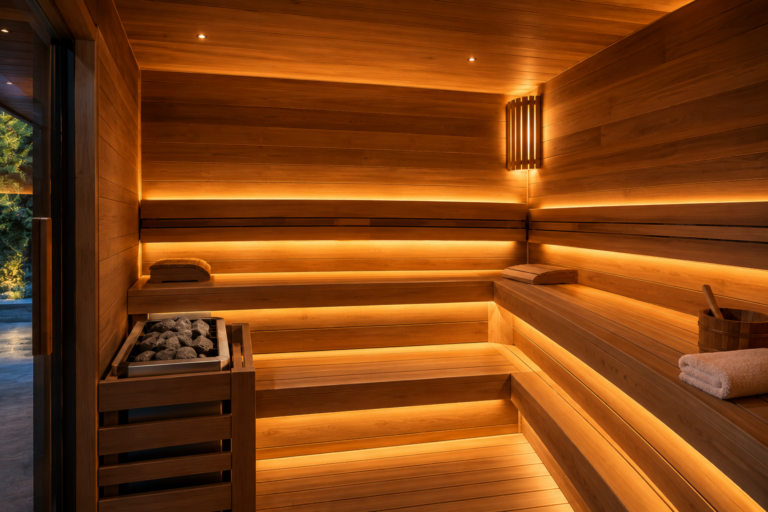
Wood is one of the most important materials in a traditional sauna.
It affects the appearance of the room, the feel of the benches, the overall atmosphere, and how the sauna interior performs in a hot environment.
If you are building a new sauna or replacing an existing interior, choosing the right wood deserves careful consideration.
Different wood species have different colors, grain patterns, textures, and characteristics. Some are commonly used for walls and ceilings, while others are particularly suitable for benches and areas that come into direct contact with the body.
This guide explains what to look for when choosing sauna wood and how different options can fit different sauna designs.
A sauna interior is exposed to repeated heating and cooling.
The wood therefore needs to be appropriate for the environment.
Good sauna wood should be comfortable to touch, suitable for the intended application, and able to work well with the construction of the sauna.
Wood also contributes significantly to the visual character of the room.
A light-colored wood can create a bright, minimalist appearance, while a darker or more heavily grained wood can produce a more traditional atmosphere.
Not every type of wood is equally suitable for sauna construction.
When comparing wood species, consider:
The intended location of the wood also matters.
A species that works well for wall paneling may not necessarily be the first choice for a sauna bench.
Several wood species are commonly associated with sauna interiors.
Cedar is a popular choice for sauna construction and interior finishes.
It has a distinctive appearance and natural aroma.
Cedar can work particularly well for homeowners who want a warm, rustic appearance.
Its natural color can range from light brown to deeper reddish tones depending on the species and finish.
Aspen is another popular sauna wood.
It is generally light in color and has a relatively clean, simple appearance.
Its neutral appearance makes it suitable for modern and traditional sauna designs.
Aspen is also commonly used for benches and interior surfaces.
Hemlock provides a clean and relatively uniform appearance.
It can be a good option for homeowners looking for a simple, contemporary sauna interior.
Its light color works well with warm sauna lighting.
Spruce is widely associated with traditional Scandinavian sauna construction.
It has a distinctive grain and light appearance.
Depending on the grade and construction, spruce can create a classic sauna atmosphere.
Pine is another familiar wood used in sauna-related construction.
It has a pronounced grain and a warm appearance.
However, when selecting pine for a sauna, pay attention to the grade and intended application, particularly because resin and knots can be important considerations in areas exposed to high heat.
Sauna benches deserve special attention.
People sit or lie directly on the benches, so surface temperature and comfort are important considerations.
A suitable bench material should have a comfortable surface and work well in the sauna environment.
Aspen and similar low-resin woods are commonly considered for sauna benches.
The design should also minimize exposed fasteners and rough surfaces that could become uncomfortable during use.
You do not necessarily have to use exactly the same wood throughout the sauna.
For example, you could choose one species for the walls and ceiling and another for the benches.
This can create visual contrast while allowing each material to serve a specific purpose.
Before mixing wood species, consider whether their colors and grain patterns work well together.
A simple combination can often produce a more sophisticated result than using too many different materials.
The color of the wood can dramatically change the appearance of a sauna.
Light-colored wood can make a sauna feel:
This can work particularly well in smaller indoor saunas.
Darker tones can create:
The choice ultimately depends on the design style you prefer.
This depends on where the wood is being used and the product manufacturer’s recommendations.
Some sauna interiors are intentionally left with a natural wood appearance.
Other surfaces may use specially formulated sauna-compatible treatments.
Do not automatically apply ordinary household paint, varnish, or wood treatment to sauna surfaces.
Products used inside a hot sauna should be specifically suitable for the intended temperature and environment.
Always follow the recommendations of the sauna and coating manufacturer.
Knots are a natural part of many wood species.
They can contribute to the character of the interior, but they may also affect the appearance and surface characteristics of individual boards.
For benches and surfaces that come into direct contact with the body, many sauna designs favor smoother, more uniform wood.
For walls and ceilings, the preferred appearance is largely a matter of personal taste.
Even a well-built sauna needs regular care.
Basic maintenance can include:
Avoid excessive moisture and do not leave wet towels inside the sauna after use.
Good ventilation and drying practices can also help maintain the interior.
Natural wood changes over time.
Heat, light, humidity, cleaning, and regular use can gradually alter the appearance of the wood.
Some species may become darker or develop a deeper patina.
This is not necessarily a problem.
For many sauna owners, the natural aging of wood is part of the appeal of a traditional sauna.
If you want a modern sauna, consider:
Aspen and hemlock can work particularly well with minimalist designs.
A simple wood interior combined with indirect lighting can create a clean contemporary appearance.
For a more traditional appearance, consider:
Cedar, spruce, and other traditional sauna woods can help create a more rustic atmosphere.
Yes, different woods can have different natural aromas.
Cedar is particularly recognizable for its distinctive scent.
Other woods can have subtler aromas.
If you are sensitive to strong wood scents, it is worth seeing and smelling samples before choosing the final material.
The cost varies depending on:
More expensive wood is not automatically the best choice.
Consider the intended application and overall sauna design before making a decision.
A beautiful wood still needs to be appropriate for the sauna environment.
Different areas of the sauna may benefit from different materials.
The bench surface is especially important because it comes into direct contact with the user.
Not every household wood coating is suitable for sauna temperatures.
Wood quality can vary considerably even within the same species.
Choose materials that fit the amount of maintenance you are prepared to perform.
There is no single best species for every sauna. Aspen, cedar, hemlock, spruce, and other suitable woods can all work depending on the application and desired appearance.
A low-resin, comfortable wood such as aspen is commonly considered for benches. The exact choice should also take construction and manufacturer recommendations into account.
Cedar is a popular sauna material because of its appearance and distinctive aroma. It can be suitable for many sauna designs when the appropriate grade and application are selected.
Pine can be used in some sauna applications, but the specific grade and location matter. Resin and knots should be considered, particularly for surfaces exposed to high heat.
Do not use ordinary varnish without checking its suitability. If a finish is desired, use a product specifically recommended for sauna environments.
Choosing the right wood can make a major difference to the appearance and comfort of a sauna.
Start by considering where the wood will be used. Wall and ceiling materials have different requirements from bench surfaces.
Then compare factors such as appearance, grain, resin content, surface comfort, maintenance, and cost.
Cedar, aspen, hemlock, spruce, and other suitable woods can all create attractive sauna interiors when selected and installed appropriately.
The best choice is not necessarily the most expensive wood. It is the material that fits the sauna’s design, intended use, and environmental requirements.
With the right wood selection, a sauna can combine a natural appearance with a comfortable and practical interior for years of use.