Newsletter Subscribe
Enter your email address below and subscribe to our newsletter

All voices matter
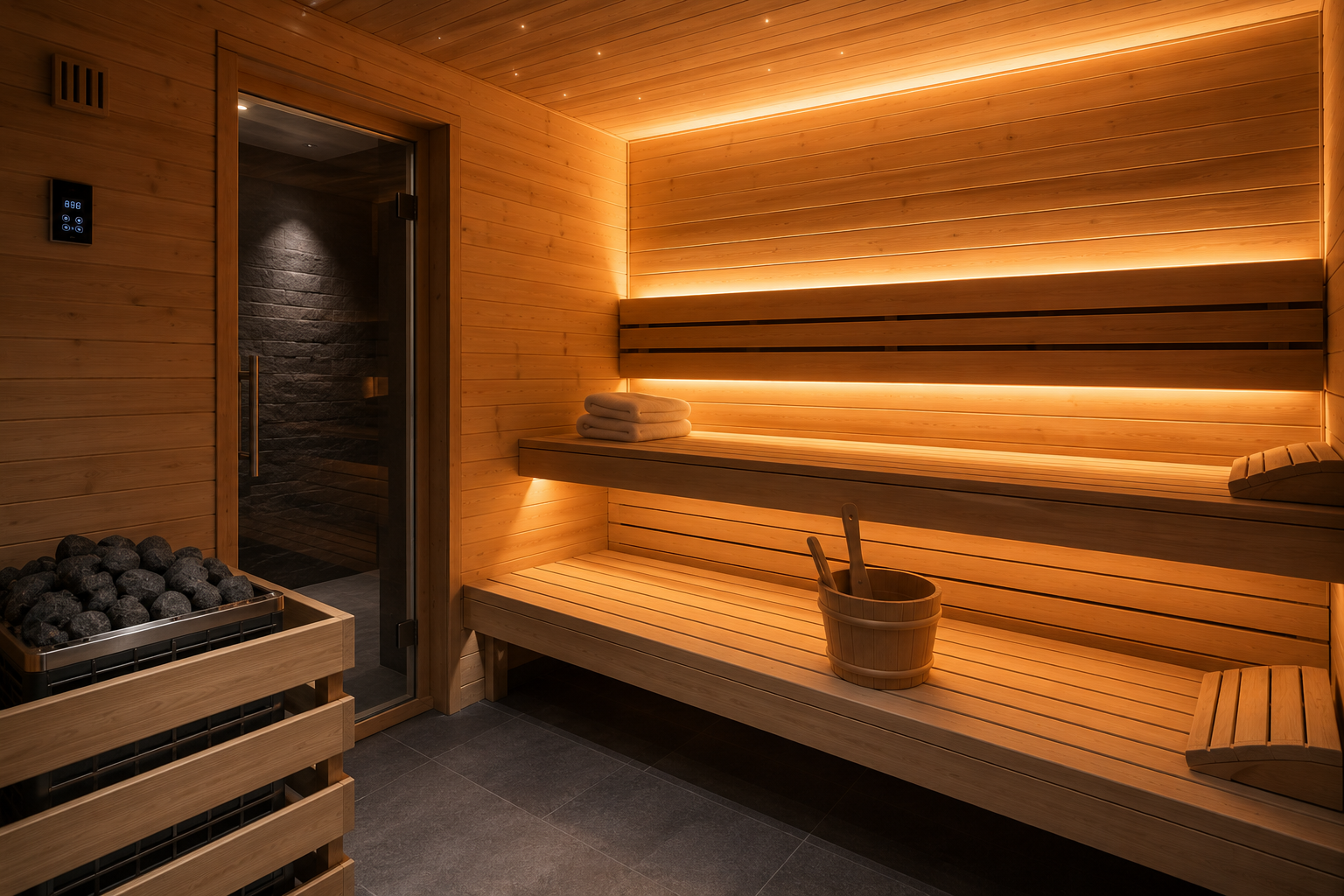
When planning to add a sauna to your home, one of the biggest decisions is choosing between an indoor sauna and an outdoor sauna.
Both options can provide a comfortable sauna experience, but they have different requirements when it comes to space, installation, maintenance, cost, and design.
The right choice depends on your available space, climate, lifestyle, and how you plan to use your sauna.
Understanding the differences between indoor and outdoor saunas can help you choose the option that best fits your home.
An indoor sauna is installed inside your home or another enclosed building.
Common locations include:
Indoor saunas are popular because they provide convenient access and protection from outdoor weather conditions.
Many homeowners choose indoor models because they can use the sauna without leaving the house, especially during colder seasons.
An outdoor sauna is designed to be installed outside the main living space.
Common locations include:
Outdoor saunas often create a dedicated wellness area separate from the home.
They can also provide a more traditional sauna atmosphere, especially when surrounded by nature.
The main differences between indoor and outdoor saunas involve installation, space, maintenance, and user experience.
| Feature | Indoor Sauna | Outdoor Sauna |
|---|---|---|
| Location | Inside the home | Outside the home |
| Space requirement | Requires available indoor area | Needs outdoor space |
| Weather protection | Naturally protected | Requires weather-resistant construction |
| Installation | Often easier access to utilities | May require site preparation |
| Maintenance | Easier climate control | More exposure to weather |
| Experience | Convenient daily use | More private and natural atmosphere |
Space is one of the first things to consider.
An indoor sauna works well for homeowners with available interior space.
A compact indoor sauna can fit into smaller areas, making it suitable for apartments, basements, or home gyms.
However, you need to consider:
A sauna should have enough surrounding space for safe installation and maintenance.
Outdoor saunas require suitable outdoor space.
Before installation, consider:
Outdoor models usually provide more flexibility in size because they are not limited by existing indoor rooms.
Installation requirements can vary significantly between indoor and outdoor saunas.
Indoor installation may be simpler because the location already has:
However, proper ventilation is essential.
The room should allow heat and moisture to escape without affecting surrounding areas.
Outdoor installation often requires additional planning.
Important factors include:
A well-built outdoor sauna should be designed to handle changing weather conditions.
Your local climate can influence which type of sauna is better.
Outdoor saunas in colder regions need strong insulation and weather protection.
Snow, rain, and temperature changes can affect:
Choosing high-quality materials becomes especially important.
In areas with mild weather, outdoor saunas may require less additional protection.
The surrounding environment can also enhance the overall sauna experience.
Indoor saunas have one major advantage: convenience.
You can easily use an indoor sauna without:
This makes indoor models attractive for people who want frequent sauna sessions.
Outdoor saunas provide a different type of experience.
Walking outside after a sauna session can create a relaxing transition between heat and fresh air.
Many users enjoy the feeling of having a separate wellness space.
Both indoor and outdoor saunas require regular maintenance, but the type of maintenance differs.
Indoor saunas generally have fewer environmental challenges.
Maintenance usually includes:
Because they are protected from weather, indoor saunas often experience less exterior wear.
Outdoor saunas require additional attention.
You may need to check:
Regular maintenance helps protect the sauna from outdoor conditions.
The total cost depends on many factors, including size, materials, heater type, and installation requirements.
Indoor saunas may reduce some installation expenses because the structure already exists.
However, costs may increase if modifications are needed for:
Outdoor saunas may require additional expenses for:
The cheapest option is not always the most suitable. Consider long-term use and maintenance requirements.
Indoor and outdoor saunas create different visual experiences.
Indoor models often blend with the existing home design.
Popular styles include:
They can become part of a home gym, bathroom, or wellness area.
Outdoor saunas often become a landscape feature.
Popular designs include:
They can create a dedicated relaxation area in the backyard.
The best choice depends on your personal needs.
An indoor sauna may be better if you:
An outdoor sauna may be better if you:
There is no universal winner. Both options can provide an excellent sauna experience when properly designed.
Before choosing between an indoor and outdoor sauna, consider:
Measure both the installation area and access route.
Frequent users may value convenience, while occasional users may prefer a dedicated outdoor space.
Weather conditions can affect outdoor sauna requirements.
Consider whether you prefer home convenience or a separate outdoor retreat.
Include additional costs beyond the sauna itself.
Neither option is automatically better. The best choice depends on your space, preferences, climate, and installation requirements.
Indoor saunas require suitable space, ventilation, and electrical access. Not every room is suitable.
A well-built outdoor sauna can last many years, but it requires proper materials and regular maintenance.
Outdoor saunas usually require more exterior maintenance because they are exposed to weather conditions.
An indoor compact sauna may be a better option when outdoor space is limited.
Choosing between an indoor sauna and an outdoor sauna depends on more than appearance.
Indoor saunas provide convenience, easy access, and protection from weather. Outdoor saunas offer privacy, flexibility, and a unique connection with nature.
Before making a decision, consider your available space, installation requirements, climate, maintenance needs, and how you want to enjoy your sauna.
The best home sauna is the one that fits naturally into your lifestyle and provides a comfortable experience for years to come.