Newsletter Subscribe
Enter your email address below and subscribe to our newsletter

All voices matter
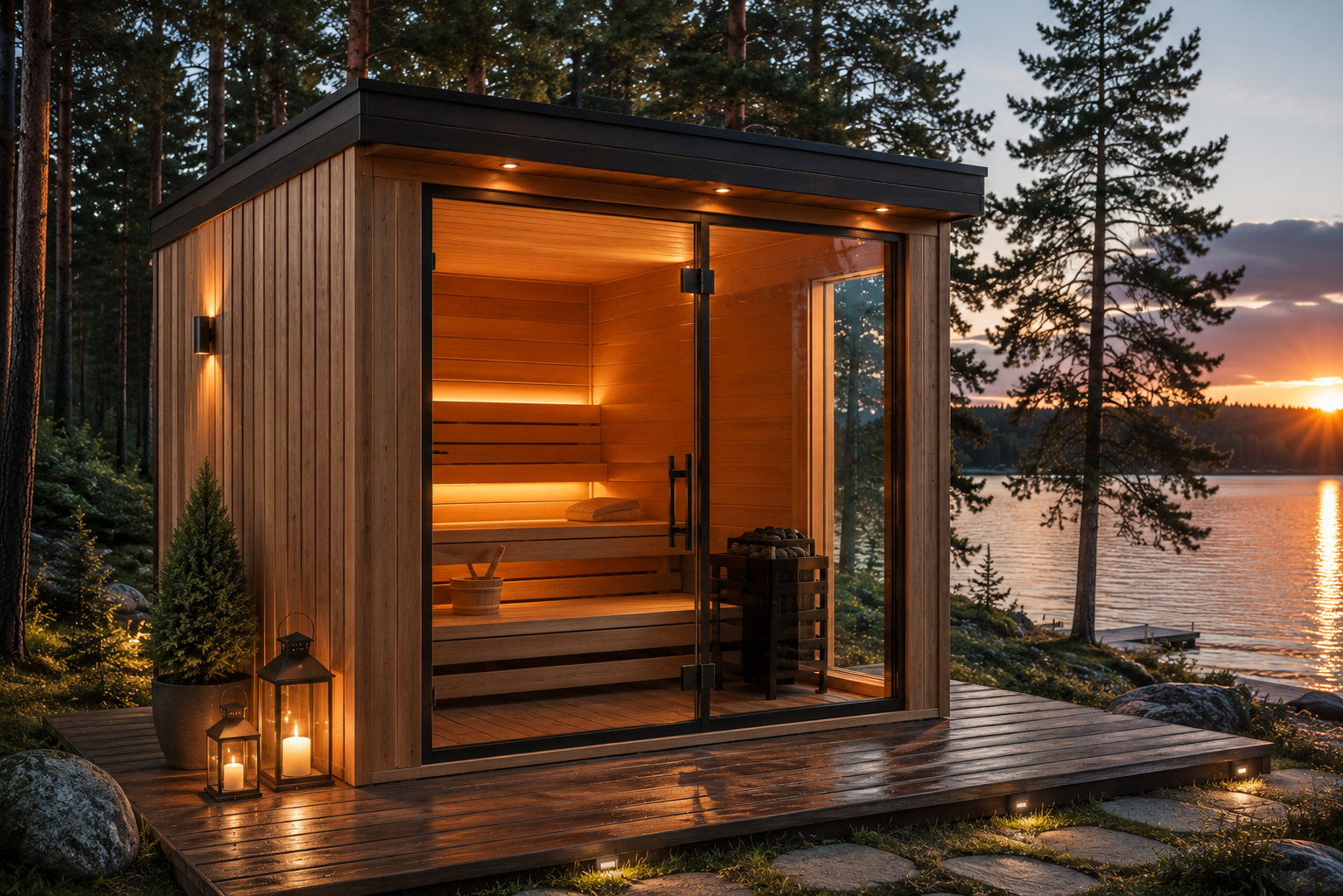
A sauna can be a relaxing addition to a home, but regular cleaning and maintenance are essential for keeping the space comfortable, attractive, and in good condition.
Because saunas are exposed to high temperatures, sweat, moisture, and frequent use, the benches, walls, floor, heater, and ventilation system all need occasional attention.
Fortunately, maintaining a home sauna does not have to be complicated. With a simple cleaning routine and regular inspections, you can keep your sauna looking clean and ready for use.
Regular maintenance helps protect the materials inside the sauna and allows you to identify small problems before they become larger ones.
A sauna can accumulate:
Keeping these areas clean can also help maintain a more pleasant environment during sauna sessions.
The exact maintenance requirements depend on the sauna type, materials, heater, and manufacturer’s instructions.
There is no single cleaning schedule that works for every sauna.
A basic routine can include:
After each use:
Allow the sauna to air out and remove towels or other personal items.
Every few uses:
Wipe down benches and commonly touched surfaces.
Every few weeks:
Clean the benches, walls, floor, and other interior surfaces more thoroughly.
Periodically:
Inspect the heater, stones, ventilation openings, door, and exterior surfaces.
Saunas that are used frequently may require more regular cleaning.
The benches are among the most important areas to keep clean because they have direct contact with users.
Start by removing loose dust and debris.
Then use a clean cloth or soft brush with a mild cleaning solution that is appropriate for the sauna’s wood surface.
Avoid soaking the wood.
After cleaning, wipe away excess moisture and allow the benches to dry completely.
For regular use, sitting on a clean towel can also help reduce direct contact between the wood and skin.
Sauna walls usually require less frequent cleaning than benches, but they should still be inspected regularly.
Use a soft cloth or sponge to remove dirt and marks.
Avoid harsh chemicals unless the sauna manufacturer specifically recommends them. Strong cleaners may affect the appearance or finish of the wood.
Do not saturate the walls with water.
A light cleaning followed by proper ventilation is generally preferable to excessive moisture.
The floor can collect dust, dirt, and moisture more quickly than other areas.
First remove loose debris.
Depending on the flooring material, use a suitable cleaning method recommended by the manufacturer.
If your sauna has removable wooden floor grates, these can often be lifted out for easier cleaning.
Make sure the floor is allowed to dry properly after cleaning.
Good drainage and ventilation are particularly important if the sauna is frequently exposed to moisture.
Sauna stones should also be checked periodically.
Over time, stones can become cracked, damaged, or covered with residue.
Before inspecting them, make sure the heater is completely turned off and cool.
Remove damaged stones and check whether the remaining stones are still suitable for use.
The exact cleaning and replacement procedure depends on the heater manufacturer.
Do not use household cleaning chemicals on sauna stones unless the manufacturer specifically permits them.
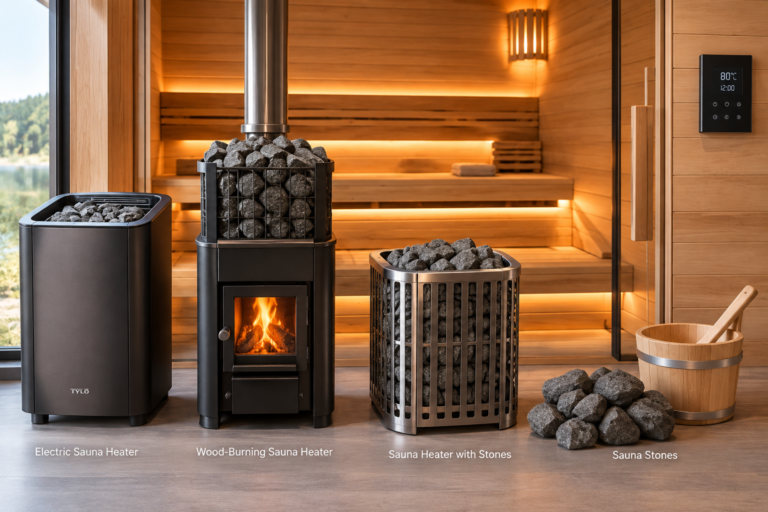
The heater is one of the most important components of a traditional sauna.
Regularly check for:
Keep towels, clothing, wood products, and other combustible materials away from the heater.
For electric heaters, electrical inspection and repairs should be performed by a qualified professional when required.
For wood-burning heaters, inspect the firebox, chimney, and surrounding components according to the manufacturer’s instructions.
Ventilation plays an important role in maintaining a sauna.
After using the sauna, allow air to circulate so that heat and moisture can escape.
Good ventilation can help the interior dry more efficiently and may reduce the buildup of unwanted odors.
Check that ventilation openings are not blocked by towels, furniture, or other objects.
Wood is one of the defining features of a traditional sauna.
To keep the wood looking its best:
Do not automatically apply household wood finishes or coatings to sauna interiors. Some products may not be suitable for high-temperature environments.
Always check the manufacturer’s recommendations before treating sauna wood.
Outdoor saunas require additional attention because they are exposed to changing weather conditions.
Inspect the exterior periodically for:
The roof should be checked regularly because it protects the entire structure from rain and snow.
The exterior wood treatment should also be appropriate for the specific sauna and local climate.
A sauna should normally have a clean, natural smell.
If an unusual odor develops, check for possible sources such as:
Start by cleaning the interior and improving airflow.
Avoid using strong air fresheners or heavily scented household products inside the sauna unless they are specifically designed for sauna environments.
Excessive water can take longer to dry and may unnecessarily expose wooden surfaces to moisture.
Strong chemicals may damage wood or leave unwanted residues.
The heater should not be overlooked during routine maintenance.
Placing objects over ventilation openings can interfere with airflow.
Wet towels can increase moisture and create unpleasant odors.
Regular light maintenance is generally easier than waiting until dirt and residue have accumulated.
A simple routine can make sauna care easier.
A sauna should receive light cleaning regularly, with a more thorough cleaning every few weeks or as needed depending on how frequently it is used.
It is better to use cleaning products that are appropriate for the sauna’s materials and follow the manufacturer’s recommendations. Strong household cleaners may not be suitable for sauna interiors.
Yes. Benches should be cleaned regularly because they are frequently exposed to sweat and body oils.
Allowing appropriate ventilation after use can help the sauna dry and improve airflow. Follow the sauna manufacturer’s ventilation recommendations.
Outdoor saunas require regular inspection of the exterior wood, roof, seals, drainage, and other components exposed to weather.
Regular sauna maintenance does not need to be difficult. A simple combination of routine cleaning, proper ventilation, heater inspection, and periodic maintenance can help keep a sauna comfortable and in good condition.
Focus on the areas that receive the most use, especially benches, floors, and the heater area. For outdoor saunas, pay additional attention to the roof and exterior structure.
Most importantly, follow the maintenance instructions provided by the sauna and heater manufacturers. Different materials and heating systems can have specific requirements.
With consistent care, a home sauna can remain a clean, comfortable part of your home for years to come.
WordPress SEO Settings
Title: How to Clean and Maintain a Sauna: A Complete Guide
Slug: how-to-clean-and-maintain-a-sauna
Category: Sauna Maintenance
Meta Title: How to Clean and Maintain a Sauna: Complete Guide
Meta Description: Learn how to clean and maintain a home sauna, including benches, wood surfaces, sauna stones, heaters, ventilation, and outdoor sauna care.
Recommended Featured Image:
A clean modern wooden sauna exterior or interior with no people. For this article, an image showing a well-maintained outdoor sauna with a clean wood exterior would also work well.